
If you spend long hours at a desk, having the right chair can make all the difference. The eames office chair is a popular choice for professionals, thanks to its iconic design and comfort.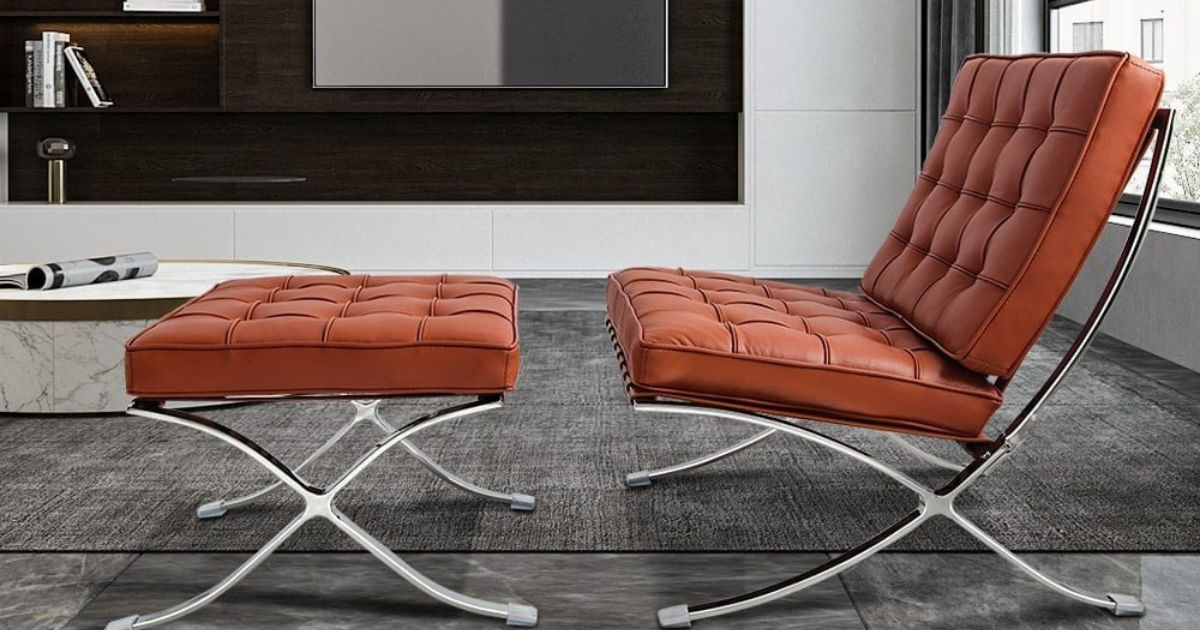
However, owning one isn’t enough—you need to ensure it’s set up correctly for your body. An ergonomic setup can prevent back pain, improve posture, and increase productivity.
This guide provides a complete checklist to help you optimize your eames office chair for ergonomic use.
Understanding Ergonomics and the Eames Office Chair
Ergonomics is the study of designing workplaces and products that fit the user’s body. When a chair is ergonomic, it supports the natural curve of your spine, reduces strain, and encourages healthy posture. The eames office chair combines style and comfort, but like any chair, it must be adjusted properly.
Many users focus on aesthetics but neglect functionality. Even the most expensive eames office chair will not protect your back if it’s not aligned with ergonomic principles. By following this checklist, you can ensure your chair is both stylish and supportive.
Seat Height Adjustment
One of the most critical factors in ergonomic seating is the seat height. Your feet should rest flat on the floor, with your knees at a 90-degree angle. A misaligned seat can cause pressure on your thighs and reduce blood flow.
-
Adjust the eames office chair so your thighs are parallel to the floor.
-
Ensure your feet are flat and not dangling.
-
Use a footrest if your feet don’t reach the floor comfortably.
Proper seat height improves circulation and reduces fatigue, especially during long work hours.
Seat Depth and Width
The depth of the seat affects your lower back and leg support. A seat that is too deep can push your lower back away from the backrest, causing slouching. If it’s too shallow, it may not support your thighs properly.
-
Sit all the way back and check if there is a 2-4 inch gap between the back of your knees and the seat edge.
-
Adjust the seat depth if your eames office chair has this feature.
-
The seat should be wide enough for your hips to fit comfortably without feeling squeezed.
A correctly adjusted seat depth promotes a balanced posture and minimizes lower back strain.
Backrest Position and Support
The backrest of your eames office chair is designed to support your spine’s natural curve. Proper alignment is essential for long-term comfort.
-
Position the backrest so it fits the curve of your lower back.
-
Ensure the lumbar support aligns with the inward curve of your lower spine.
-
The backrest should allow a slight recline of 100-110 degrees to reduce pressure on the spine.
A well-positioned backrest prevents slouching and maintains healthy posture throughout the day.
Armrest Placement
Armrests can relieve shoulder and neck strain when set correctly. Improper armrest height or width can cause tension in the shoulders.
-
Adjust the armrests so your elbows form a 90-degree angle.
-
Keep your shoulders relaxed and avoid lifting them to reach the armrests.
-
Ensure the armrests do not block your chair from sliding under your desk.
Armrests that are too high or too low can lead to shoulder pain, so proper adjustment is crucial for ergonomic use of your eames office chair.
Chair Tilt and Recline
The tilt mechanism of the eames office chair allows for slight recline, which reduces pressure on your lower spine. A chair locked in an upright position can cause fatigue.
-
Test the tilt and recline features to ensure smooth movement.
-
Avoid extreme backward recline; a slight recline of 100-110 degrees is optimal.
-
Lock the tilt when performing tasks that require upright posture, such as typing.
Tilt adjustment promotes dynamic sitting, which is healthier than staying in a fixed position all day.
Proper Desk Height
Your chair is only part of the ergonomic equation; your desk height matters too. Ideally, your desk should allow your forearms to rest parallel to the floor.
-
Adjust your chair or desk so that your elbows remain at 90 degrees.
-
Maintain a 20-30 inch distance between your eyes and the top of the monitor.
-
Keep frequently used items within easy reach to avoid excessive stretching.
A correct desk height complements your eames office chair adjustments and enhances overall posture.
Monitor and Screen Placement
Your neck and eye position can be affected if your monitor is too high, low, or far away. This is important when using your eames office chair for computer work.
-
Position the top of the monitor at or slightly below eye level.
-
Keep the screen about an arm’s length away.
-
Tilt the screen slightly backward to reduce glare and neck strain.
Proper monitor placement reduces eye fatigue and encourages a neutral head position.
Keyboard and Mouse Setup
An ergonomic setup includes your keyboard and mouse. Poor positioning can lead to wrist strain and repetitive stress injuries.
-
Keep your keyboard and mouse at the same height as your elbows.
-
Maintain a relaxed wrist posture; avoid bending your wrists upward.
-
Consider a keyboard tray if your desk is too high for your eames office chair.
These adjustments protect your wrists and forearms, preventing long-term strain.
Footrest Use
Even with a properly adjusted seat height, some users may need a footrest for added support. This is especially true if your legs don’t reach the floor comfortably.
-
Ensure your feet rest flat on the footrest.
-
Adjust the footrest height so your knees remain at 90 degrees.
-
Avoid pressure on the back of your thighs by selecting a wide, stable footrest.
Using a footrest improves circulation and supports proper posture when seated in your eames office chair.
Movement and Posture
Sitting still for hours can cause stiffness and discomfort. An ergonomic chair encourages movement and regular posture changes.
-
Shift positions every 30-60 minutes.
-
Use the recline feature occasionally to relieve spinal pressure.
-
Stand and stretch to reduce tension in your back and legs.
Dynamic sitting is essential, even with a high-quality eames office chair, for long-term spinal health.
Chair Maintenance and Longevity
A well-maintained eames office chair lasts longer and continues to provide ergonomic support. Regular maintenance ensures that all adjustments work properly.
-
Check the wheels and base for smooth movement.
-
Tighten any loose screws or bolts.
-
Clean the chair according to the manufacturer’s instructions to maintain the material quality.
Routine maintenance protects your investment and keeps your chair ergonomically reliable.
Accessories for Enhanced Ergonomics
Several accessories can improve your ergonomic setup while using a eames office chair.
-
Lumbar cushions for extra lower back support.
-
Seat cushions for additional comfort.
-
Adjustable monitor arms or keyboard trays to complement chair positioning.
These accessories work with your chair to create a fully ergonomic workspace.
Common Mistakes to Avoid
Even with the perfect eames office chair, mistakes can reduce ergonomic benefits.
-
Sitting too far back or too close to your desk.
-
Ignoring armrest adjustments.
-
Keeping a fixed posture for hours.
-
Neglecting monitor height and distance.
Avoiding these mistakes ensures that your eames office chair provides maximum comfort and health benefits.
Benefits of Using an Ergonomic Eames Office Chair
Investing time in adjusting your eames office chair has many advantages:
-
Reduced risk of back, neck, and shoulder pain.
-
Improved posture and spinal alignment.
-
Increased focus and productivity.
-
Enhanced comfort for long work hours.
Proper ergonomic use of your eames office chair can transform your work experience and overall well-being.
Ergonomic Checklist Summary
Here’s a quick checklist for your eames office chair setup:
-
Seat height: Feet flat, knees at 90 degrees.
-
Seat depth: 2-4 inch gap behind knees.
-
Backrest: Supports natural spine curve.
-
Armrests: Elbows at 90 degrees, shoulders relaxed.
-
Tilt/recline: Slight recline, smooth adjustment.
-
Desk height: Forearms parallel to floor.
-
Monitor: Top at eye level, arm’s length away.
-
Keyboard/mouse: Elbows at 90 degrees, relaxed wrists.
-
Footrest: Feet fully supported if needed.
-
Movement: Shift positions regularly.
-
Maintenance: Clean, check screws, smooth wheels.
-
Accessories: Lumbar cushions, monitor arms, keyboard trays.
Following this checklist ensures that your eames office chair provides optimal ergonomic support.
Conclusion
A high-quality chair like the eames office chair is more than just a stylish addition to your office—it’s a tool for health and productivity. By carefully adjusting seat height, backrest, armrests, and other features, you can create a workspace that supports your body, prevents pain, and encourages good posture. Remember to complement your chair with a properly arranged desk, monitor, and keyboard setup. Small adjustments can make a significant difference in your comfort and work performance.
Investing in ergonomics is an investment in your long-term health. Your eames office chair can serve you well for years if you follow this comprehensive checklist. Start with simple adjustments today and notice the improvement in how you feel at the end of the day.
With proper care and setup, your eames office chair isn’t just furniture—it’s a partner in your productivity, comfort, and overall well-being.