
Why Is Consent Important For Aesthetic Physician?
When people search for the Best Aesthetic Physician in Hamilton, NJ, they are often thinking about results, safety, and trust. One of the most important parts of any cosmetic or aesthetic treatment is consent.
Consent is not just a signature on a form—it is a full understanding between the patient and the doctor about what will happen, why it is being done, and what the possible outcomes are.
The role of the Best Aesthetic Physician in Hamilton, NJ is not only to perform procedures but also to ensure that every patient makes informed decisions freely and confidently. This guide explains why consent is so important in aesthetic medicine, how it works, and why it protects both patients and physicians.
Throughout this article, we will also revisit how the Best Aesthetic Physician in Hamilton, NJ uses consent as a foundation for safe and ethical practice.
Consent in Aesthetic Medicine
Consent in aesthetic medicine means that a patient agrees to a procedure after fully understanding all relevant information. This includes benefits, risks, alternatives, and recovery expectations.
The Best Aesthetic Physician in Hamilton, NJ always ensures that consent is informed, voluntary, and clearly documented.
What Makes Consent “Informed”?
Informed consent means the patient understands:
- What the procedure involves
- Why it is being recommended
- Possible risks and side effects
- Expected results
- Alternative treatments
- Recovery time and aftercare
The Best Aesthetic Physician in Hamilton, NJ takes time to explain all of this in simple language so the patient is not confused or rushed.
Why Consent Is Essential in Aesthetic Procedures
Aesthetic treatments are usually elective, meaning they are not medically necessary. Because of this, consent becomes even more important.
The Best Aesthetic Physician in Hamilton, NJ emphasizes consent for several key reasons:
1. Patient Safety
Consent ensures that patients are fully aware of possible risks. Even small procedures like fillers or Botox can have side effects.
The Best Aesthetic Physician in Hamilton, NJ uses consent discussions to reduce surprises and prevent harm.
2. Legal Protection
Proper consent protects both the patient and the physician. If something unexpected happens, documented consent shows that the patient was informed.
The Best Aesthetic Physician in Hamilton, NJ follows strict legal standards to avoid misunderstandings.
3. Ethical Responsibility
Doctors have a moral duty to respect patient autonomy. This means patients have the right to decide what happens to their body.
The Best Aesthetic Physician in Hamilton, NJ ensures no pressure is placed on patients to undergo treatment.
4. Trust Building
Trust is a major part of aesthetic medicine. When patients feel informed, they are more confident.
The Best Aesthetic Physician in Hamilton, NJ builds long-term relationships through transparent communication.
The Elements of Proper Consent
For consent to be valid, it must include several key elements. The Best Aesthetic Physician in Hamilton, NJ always ensures these are present.
Clear Explanation of Procedure
Patients must understand exactly what will be done.
The Best Aesthetic Physician in Hamilton, NJ explains procedures step by step in simple terms.
Discussion of Risks
Every medical procedure has risks. These may include:
- Swelling
- Bruising
- Infection
- Allergic reactions
- Uneven results
The Best Aesthetic Physician in Hamilton, NJ makes sure patients understand even rare risks.
Benefits and Realistic Outcomes
Patients should know what improvements to expect and what limitations exist.
The Best Aesthetic Physician in Hamilton, NJ avoids overpromising results.
Alternatives
There may be more than one way to achieve results, including non-treatment options.
The Best Aesthetic Physician in Hamilton, NJ presents all suitable choices.
Opportunity to Ask Questions
Patients must have time to ask questions.
The Best Aesthetic Physician in Hamilton, NJ encourages open conversation.
Types of Consent in Aesthetic Medicine
Consent is not always a single moment. It can happen in different forms.
Verbal Consent
This is when the physician explains the procedure and the patient agrees verbally.
The Best Aesthetic Physician in Hamilton, NJ often uses verbal consent for minor treatments.
Written Consent
This is the most common form. The patient signs a document confirming understanding.
The Best Aesthetic Physician in Hamilton, NJ relies on written consent for most procedures.
Implied Consent
This happens when a patient’s actions show agreement, such as showing up for a procedure.
Even then, the Best Aesthetic Physician in Hamilton, NJ still prefers documented consent.
The Role of Communication in Consent
Good communication is at the heart of consent. Without clear communication, consent is not truly informed.
Using Simple Language
Medical terms can be confusing.
The Best Aesthetic Physician in Hamilton, NJ explains everything in simple, easy-to-understand language suitable for a 12th-grade reading level.
Avoiding Pressure
Patients should never feel forced.
The Best Aesthetic Physician in Hamilton, NJ ensures decisions are made freely.
Cultural Sensitivity
Different patients may have different beliefs or expectations.
The Best Aesthetic Physician in Hamilton, NJ respects cultural differences during discussions.
Risks of Not Having Proper Consent
Without proper consent, several problems can arise.
Patient Dissatisfaction
If expectations are unclear, patients may feel disappointed.
The Best Aesthetic Physician in Hamilton, NJ avoids this through detailed explanations.
Medical Complications
Patients unaware of risks may not follow aftercare instructions properly.
The Best Aesthetic Physician in Hamilton, NJ reduces complications through clear guidance.
Legal Issues
Lack of consent documentation can lead to legal disputes.
The Best Aesthetic Physician in Hamilton, NJ protects both patient and practice with proper records.
Consent in Common Aesthetic Procedures
Consent is important in all procedures, no matter how simple they seem.
Botox Treatments
Botox involves injections that temporarily relax muscles.
The Best Aesthetic Physician in Hamilton, NJ explains possible bruising, asymmetry, and temporary effects.
Dermal Fillers
Fillers add volume to areas like lips and cheeks.
The Best Aesthetic Physician in Hamilton, NJ discusses risks such as swelling or uneven results.
Laser Treatments
Laser procedures treat skin concerns like pigmentation or hair removal.
The Best Aesthetic Physician in Hamilton, NJ ensures patients understand skin sensitivity and recovery time.
Chemical Peels
These improve skin texture and tone.
The Best Aesthetic Physician in Hamilton, NJ explains peeling stages and possible irritation.
How Consent Protects Patients
Consent is not just paperwork—it is protection.
Protection from Misunderstanding
Patients clearly know what to expect.
The Best Aesthetic Physician in Hamilton, NJ ensures clarity at every step.
Protection from Unsafe Decisions
Some patients may request treatments that are not suitable.
The Best Aesthetic Physician in Hamilton, NJ may advise against certain procedures after proper evaluation.
Emotional Protection
Clear expectations reduce emotional stress after treatment.
The Best Aesthetic Physician in Hamilton, NJ helps patients feel prepared and confident.
How Consent Protects Physicians
Consent is equally important for physicians.
Professional Integrity
It ensures doctors follow ethical standards.
The Best Aesthetic Physician in Hamilton, NJ maintains high professional integrity through consent practices.
Reduced Legal Risk
Proper documentation reduces risk of legal disputes.
The Best Aesthetic Physician in Hamilton, NJ always keeps detailed consent records.
Better Patient Relationships
Trust leads to better long-term care.
The Best Aesthetic Physician in Hamilton, NJ builds lasting relationships with patients.
The Consent Process Step by Step
The consent process is structured and careful.
Step 1: Initial Consultation
The physician evaluates the patient’s needs.
The Best Aesthetic Physician in Hamilton, NJ begins with a detailed consultation.
Step 2: Explanation of Treatment
The procedure is explained in detail.
The Best Aesthetic Physician in Hamilton, NJ ensures full understanding.
Step 3: Risk Discussion
All possible risks are discussed.
The Best Aesthetic Physician in Hamilton, NJ makes sure no detail is hidden.
Step 4: Patient Questions
Patients are encouraged to ask questions.
The Best Aesthetic Physician in Hamilton, NJ provides honest answers.
Step 5: Signing Consent
The patient signs a consent form.
The Best Aesthetic Physician in Hamilton, NJ ensures documentation is complete.
Special Cases in Consent
Minors
Consent rules are stricter for minors.
The Best Aesthetic Physician in Hamilton, NJ requires parental consent in such cases.
Emergency Situations
Aesthetic procedures are rarely emergencies, but exceptions exist.
The Best Aesthetic Physician in Hamilton, NJ follows strict safety guidelines.
Patients with Anxiety or Fear
Extra time and reassurance may be needed.
The Best Aesthetic Physician in Hamilton, NJ provides supportive communication.
Building Trust Through Consent
Trust is built when patients feel heard and respected.
The Best Aesthetic Physician in Hamilton, NJ uses consent as a way to strengthen trust, not just as a legal requirement.
When patients fully understand their choices, they are more satisfied with their results and experience.
The Best Aesthetic Physician in Hamilton, NJ ensures that trust is maintained before, during, and after every procedure.
Conclusion
Consent is one of the most important parts of aesthetic medicine. It ensures that patients understand their treatment, feel safe, and make informed decisions. It also protects physicians legally and ethically while building stronger patient relationships.
The Best Aesthetic Physician in Hamilton, NJ uses consent as the foundation of every procedure, from simple injectables to advanced cosmetic treatments. Without consent, aesthetic medicine would lack safety, trust, and transparency.
In modern practice, consent is not just a formality—it is a continuous conversation between patient and physician. The Best Aesthetic Physician in Hamilton, NJ demonstrates that true care begins with respect, communication, and understanding.
Ultimately, consent empowers patients to take control of their aesthetic journey with confidence and peace of mind.
XXS Essentials Tracksuit: Small Size Buyer Tips
The Essentials tracksuit has become one of the most popular streetwear outfits in recent years, especially among people who prefer a clean, oversized aesthetic.
However, for smaller body frames, finding the right fit can be tricky. This guide focuses on the XXS Essentials tracksuit and gives detailed, practical buying tips for anyone trying to get the perfect small-size fit without losing the signature style.
The Essentials tracksuit is known for its relaxed silhouette, premium comfort, and minimal branding. But when it comes to XXS sizing, even small differences in length, width, and fabric behavior can completely change how the outfit looks. That’s why understanding sizing, proportions, and styling is important before you buy your Essentials tracksuit.
This article will walk you through everything you need to know—from measurements and fit expectations to styling advice and care tips—so your Essentials tracksuit feels tailored, even in an oversized design.
Understanding XXS Sizing in Essentials Tracksuit
Why XXS sizing matters
The XXS size in an Essentials tracksuit is designed for smaller body frames, but it still follows the brand’s oversized streetwear identity. That means even XXS will not feel tight or slim-fit like traditional athletic wear.
Many buyers expect a snug fit, but the Essentials tracksuit is intentionally loose. Understanding this helps avoid confusion when your XXS arrives slightly bigger than expected.
Standard measurements overview
In most cases, an XXS Essentials tracksuit includes:
- Shorter sleeve length but still slightly dropped shoulders
- Wider chest area compared to regular fitted brands
- Tapered but relaxed joggers
- Elastic waistband with adjustable drawstring
Even though it is labeled XXS, the Essentials tracksuit maintains a relaxed silhouette. This is part of its signature look.
How XXS differs from XS
Compared to XS, an XXS Essentials tracksuit typically reduces length and width slightly, but not dramatically. The difference is subtle, which is why many buyers still size down further depending on their preference.
Fit Guide for XXS Essentials Tracksuit
Hoodie fit expectations
The hoodie in an XXS Essentials tracksuit still follows an oversized structure. You should expect:
- Dropped shoulders that sit slightly off natural shoulder line
- Loose torso fit with extra room around the waist
- A slightly cropped feel for shorter individuals
Even in XXS, the Essentials tracksuit hoodie does not behave like a fitted hoodie. It is designed for layering and streetwear proportions.
If you are under 5'5", the XXS Essentials tracksuit hoodie may still feel long in the sleeves, but it will generally sit better than larger sizes.
Jogger fit expectations
The joggers in an XXS Essentials tracksuit are more adjustable due to elastic waistbands and ankle cuffs.
Key features include:
- Tapered leg shape
- Slight stacking at ankles for shorter heights
- Loose thigh area for comfort
Even the XXS Essentials tracksuit joggers maintain a relaxed fit, so they are not meant to be tight like gym leggings or slim joggers.
How to Measure Yourself for Essentials Tracksuit
Chest, waist, and height matters
Before buying an XXS Essentials tracksuit, you should take three main measurements:
- Chest: Around fullest part
- Waist: Natural waistline
- Height: For overall proportional fit
These measurements help determine how the Essentials tracksuit will sit on your frame.
Comparing with size charts
Always compare your body measurements with official sizing charts. The XXS Essentials tracksuit can still vary slightly between collections, so checking updated charts is important.
Pro tip for small buyers
If you are between sizes, the Essentials tracksuit usually looks better slightly oversized than too tight. However, XXS is already the smallest standard option, so most small buyers prefer sticking to it instead of sizing up.
Common Sizing Mistakes with Essentials Tracksuit
Expecting a slim fit
One of the biggest mistakes is assuming the Essentials tracksuit will fit like athletic wear. It will not. Even XXS remains loose and structured for streetwear styling.
Ignoring fabric stretch
The Essentials tracksuit uses heavyweight cotton blends that have limited stretch. This means fit changes more with size selection than fabric flexibility.
Choosing based on model photos only
Models often style the Essentials tracksuit differently depending on height and proportions. A look that appears fitted on one person may appear oversized on another.
Fabric Behavior and Shrinkage Tips
Does Essentials tracksuit shrink?
The Essentials tracksuit may shrink slightly after washing, especially if exposed to high heat. However, modern versions are pre-treated to reduce shrinkage.
Still, XXS buyers should be careful because even small shrinkage can affect length.
Washing instructions
To maintain the shape of your Essentials tracksuit:
- Wash in cold water
- Avoid high-heat drying
- Use gentle detergent
- Air dry when possible
Proper care keeps your Essentials tracksuit consistent in size and structure.
Fabric weight and feel
The material of the Essentials tracksuit is thick, soft, and structured. This helps maintain the oversized look, even in smaller sizes like XXS.
Styling XXS Essentials Tracksuit
Casual everyday look
The XXS Essentials tracksuit is perfect for casual wear. You can pair it with:
- Clean white sneakers
- Minimal accessories
- Crossbody bags
This keeps the Essentials tracksuit look simple and balanced.
Streetwear layering
Layering enhances the aesthetic of the Essentials tracksuit. Try:
- Denim jackets over hoodies
- Long coats for winter styling
- Caps or beanies for detail
Even in XXS, the Essentials tracksuit supports layered outfits without looking bulky.
Minimal aesthetic styling
For a clean look:
- Stick to neutral colors
- Avoid heavy patterns
- Match top and bottom tones
The Essentials tracksuit works best in muted shades like beige, black, gray, or taupe.
Where to Buy XXS Essentials Tracksuit Safely
Official retailers
Always prioritize official sources when buying an Essentials tracksuit. This ensures:
- Authentic fabric quality
- Correct sizing
- Original branding
Fake versions often distort sizing and ruin the fit of an Essentials tracksuit.
Trusted online stores
When shopping online, check:
- Return policies
- Size charts
- Customer reviews
A genuine Essentials tracksuit will always have consistent sizing across trusted sellers.
Avoiding counterfeit products
Fake versions of the Essentials tracksuit often:
- Use thinner fabric
- Have incorrect logos
- Fit differently than expected
Always verify before purchasing.
Care Tips for Long-Lasting Fit
Washing routine
To keep your Essentials tracksuit in good condition:
- Wash inside out
- Avoid bleach
- Use cold water only
This preserves both color and structure.
Drying method
Air drying is best for the Essentials tracksuit. Machine drying can reduce fabric quality over time.
Storage tips
Fold your Essentials tracksuit instead of hanging it for long periods to avoid shoulder stretching.
Who Should Choose XXS Essentials Tracksuit?
Ideal body types
The XXS Essentials tracksuit is best for:
- Petite frames
- Teens or young adults
- Shorter heights (under 5'5")
It still keeps the oversized look but in a more balanced proportion.
Style preference
If you like minimal streetwear with a controlled oversized fit, the XXS Essentials tracksuit is a great option.
When XXS might feel too small
If you prefer extremely oversized fashion, you might find the XXS Essentials tracksuit slightly more fitted than expected.
Final Buying Checklist
Before buying your XXS Essentials tracksuit, make sure:
- You checked your measurements
- You understand oversized fit design
- You reviewed official size charts
- You selected trusted sellers
- You know care instructions
Following this checklist ensures your Essentials tracksuit fits your expectations.
Conclusion
Choosing the right XXS Essentials tracksuit is all about understanding proportions, fabric behavior, and personal style preferences. Even though XXS is the smallest size available, the Essentials tracksuit still maintains its signature oversized streetwear identity. That means buyers should not expect a tight or slim fit, but rather a relaxed and structured silhouette.
For smaller individuals, the XXS Essentials tracksuit offers a balanced version of the brand’s aesthetic. It provides comfort without overwhelming your frame, while still keeping the modern streetwear appeal that makes the Essentials tracksuit so popular worldwide.
The key to making the right choice is measuring carefully, avoiding sizing assumptions, and understanding that the Essentials tracksuit is designed for fashion-forward looseness rather than athletic tightness. With proper care and styling, even an XXS Essentials tracksuit can look premium, clean, and perfectly fitted to your personality.
Ultimately, the XXS Essentials tracksuit is a great choice for anyone who wants minimalist streetwear in a smaller, more controlled fit. By following the tips in this guide, you can confidently choose, style, and maintain your Essentials tracksuit for long-term wear and timeless street fashion appeal.
how aeronautical engineers freelance work?
The aviation industry is changing quickly, and remote opportunities are growing across the world. Today, many professionals are choosing independent careers instead of traditional office jobs.
One of the fastest-growing paths is becoming part of the aeronautical engineers freelance market.
Companies now hire skilled engineers for short-term projects, aircraft design support, simulations, maintenance planning, and research tasks without requiring full-time employment.
The demand for aeronautical engineers freelance services has increased because businesses want flexible expertise while reducing long-term costs.
Freelance engineering also gives professionals freedom, better work-life balance, and the chance to work with international clients. From aircraft manufacturers to drone startups, many industries now rely on freelance specialists.
This guide explains everything about how freelance aeronautical engineering works. You will learn about job types, required skills, earning opportunities, challenges, platforms, client management, and tips for long-term success.
What Is Freelance Aeronautical Engineering?
Freelance aeronautical engineering means working independently instead of being employed permanently by one company. A freelance engineer offers technical services to multiple clients on a contract basis.
These professionals may work remotely or on-site depending on the project. Some specialize in aircraft design, while others focus on simulations, testing, or aviation safety.
The rise of digital collaboration tools has made aeronautical engineers freelance careers more practical than ever. Engineers can now communicate with teams globally, submit designs online, and manage projects from home.
Freelancers are usually paid per project, per hour, or through long-term contracts.
Why Companies Hire Freelance Aeronautical Engineers
Many aerospace companies prefer freelancers because it helps them save money and access specialized skills quickly.
Here are some major reasons companies hire freelance engineers:
Cost Efficiency
Hiring full-time employees involves salaries, benefits, office expenses, and training costs. Freelancers reduce these expenses.
Specialized Expertise
Some projects require rare technical skills. Businesses often seek aeronautical engineers freelance professionals with experience in specific software or aircraft systems.
Flexible Workforce
Companies can increase or reduce engineering support depending on project demands.
Faster Project Completion
Freelancers are often hired to speed up ongoing work or solve urgent technical issues.
Global Talent Access
Organizations are no longer limited to local talent. They can hire engineers from anywhere in the world.
Types of Freelance Work for Aeronautical Engineers
Freelance aeronautical engineers work on a wide range of tasks across the aerospace sector.
Aircraft Design
Many engineers help create aircraft components and structures. This includes wing designs, fuselage layouts, and aerodynamic improvements.
CAD Modeling
Computer-aided design is one of the most common freelance services. Engineers use software like CATIA, SolidWorks, and AutoCAD.
Aerodynamic Analysis
Freelancers analyze airflow, drag, lift, and performance using simulation tools.
Drone Development
The drone industry creates huge opportunities for aeronautical engineers freelance experts. Engineers help build UAV systems for delivery, surveillance, and agriculture.
Maintenance Planning
Some engineers provide maintenance schedules and inspection procedures for aircraft operators.
Research and Development
Freelancers support innovation projects involving lightweight materials, fuel efficiency, and propulsion systems.
Flight Simulation
Simulation specialists help create realistic aircraft models for training and testing.
Technical Documentation
Freelancers prepare manuals, reports, compliance documents, and engineering guidelines.
Skills Needed for Freelance Success
A successful freelance aeronautical engineer needs both technical and business skills.
Strong Engineering Knowledge
Understanding aerodynamics, propulsion, structures, and aviation systems is essential.
Software Skills
Popular engineering software includes:
- CATIA
- ANSYS
- MATLAB
- SolidWorks
- AutoCAD
- Fusion 360
Clients often search for aeronautical engineers freelance professionals with advanced software expertise.
Communication Skills
Freelancers must explain technical ideas clearly to clients and team members.
Time Management
Managing deadlines is critical when handling multiple projects.
Problem-Solving Ability
Clients hire freelancers to solve engineering challenges quickly and effectively.
Project Management
Independent engineers often manage schedules, budgets, and reporting themselves.
Educational Requirements
Most freelance aeronautical engineers hold at least a bachelor’s degree in aeronautical or aerospace engineering.
Some clients may also prefer:
- Master’s degrees
- Aviation certifications
- Software certifications
- Industry training programs
Practical experience matters greatly in the aeronautical engineers freelance industry.
How Freelance Aeronautical Engineers Find Work
Finding freelance projects requires strategy and consistency.
Freelance Platforms
Many engineers use online marketplaces to connect with clients.
Popular platforms include:
- Upwork
- Freelancer
- Fiverr
- Toptal
These websites allow aeronautical engineers freelance professionals to showcase portfolios and bid on projects.
Networking
Professional relationships are extremely important. Engineers often get projects through former colleagues, professors, or aviation contacts.
LinkedIn is one of the best tools for finding aerospace clients and building credibility.
Engineering Forums
Technical communities and aviation forums can lead to project opportunities.
Company Websites
Some aerospace firms directly hire freelance engineers through career pages.
Referrals
Satisfied clients frequently recommend skilled freelancers to others.
Building a Strong Portfolio
A portfolio is one of the most important tools for freelance success.
Your portfolio should include:
- CAD models
- Simulation results
- Project descriptions
- Technical reports
- Certifications
- Software expertise
Many aeronautical engineers freelance professionals create personal websites to display their work professionally.
Setting Freelance Rates
Pricing depends on experience, specialization, and project complexity.
Hourly Rates
Some freelancers charge hourly fees for consulting or technical support.
Fixed Project Rates
Large engineering tasks are often priced per project.
Retainer Contracts
Long-term clients may pay monthly retainers for ongoing support.
Experienced aeronautical engineers freelance experts often earn higher rates because of specialized knowledge.
Average Earnings
Freelance aeronautical engineering can be financially rewarding.
Earnings vary based on:
- Experience level
- Geographic location
- Client type
- Technical specialization
- Project size
Beginners may earn moderate income initially, while experienced freelancers can generate substantial yearly revenue.
Some high-demand aeronautical engineers freelance specialists earn more than traditional full-time engineers.
Advantages of Freelancing in Aeronautical Engineering
Freelancing offers many benefits for engineers seeking flexibility and independence.
Flexible Schedule
Freelancers can often choose their own working hours.
Global Opportunities
Engineers can work with international aerospace companies.
Career Independence
Freelancers control the projects they accept.
Diverse Experience
Working with multiple clients improves technical knowledge.
Better Income Potential
Highly skilled aeronautical engineers freelance professionals may earn premium rates.
Remote Work Options
Many engineering tasks can now be completed remotely.
Challenges Freelancers Face
Freelancing also comes with difficulties.
Inconsistent Income
Projects may vary from month to month.
Client Acquisition
Finding new clients requires continuous effort.
Competition
The freelance market can be highly competitive.
Self-Management
Freelancers handle taxes, invoices, and project organization independently.
Deadlines and Pressure
Engineering projects often involve strict timelines.
Despite these challenges, many aeronautical engineers freelance professionals enjoy the freedom and career growth freelancing provides.
Importance of Certifications
Certifications improve credibility and client trust.
Useful certifications include:
- CAD certifications
- Project management certifications
- Aviation safety training
- MATLAB certification
- ANSYS certification
Clients often prefer certified aeronautical engineers freelance experts because certifications demonstrate competence.
Best Industries for Freelance Aeronautical Engineers
Freelance engineers are needed in many industries beyond commercial aviation.
Aerospace Manufacturing
Manufacturers need design and testing support.
Defense Industry
Defense companies hire freelancers for aircraft systems and research projects.
Drone Technology
The drone market creates huge opportunities for engineering specialists.
Space Exploration
Private space companies increasingly use contract engineers.
Education and Training
Some engineers work as online instructors or technical trainers.
Renewable Aviation
Green aviation technology is creating demand for innovative aeronautical engineers freelance professionals.
Remote Work in Aerospace Engineering
Remote work has transformed the engineering industry.
Today, many tasks can be completed online, including:
- CAD modeling
- Data analysis
- Simulations
- Documentation
- Research
Cloud collaboration tools make communication easier for aeronautical engineers freelance teams worldwide.
Software Tools Used by Freelance Engineers
Technology plays a major role in freelance engineering work.
CAD Software
Used for creating aircraft models and components.
CFD Tools
Computational fluid dynamics software helps analyze airflow.
Simulation Programs
Engineers use simulations for testing aircraft behavior.
Project Management Tools
Platforms like Trello and Asana help organize tasks.
Communication Software
Zoom, Microsoft Teams, and Slack support remote teamwork.
Mastering these tools helps aeronautical engineers freelance professionals compete effectively.
How to Start a Freelance Career
Starting a freelance engineering business requires planning.
Gain Industry Experience
Most successful freelancers first work in traditional engineering jobs.
Build Technical Skills
Develop expertise in high-demand areas.
Create a Portfolio
Showcase your strongest engineering projects.
Choose a Niche
Specialization helps attract better clients.
Register Your Business
Depending on local laws, you may need business registration or licenses.
Market Yourself
Promote your services through social media and networking.
New aeronautical engineers freelance professionals should focus on building trust and reputation early.
Importance of Specialization
Specialized engineers often earn more and face less competition.
Examples of niches include:
- Aircraft structures
- Propulsion systems
- UAV technology
- Aerodynamics
- Aviation safety
- Flight simulation
Clients prefer aeronautical engineers freelance experts with deep knowledge in specific areas.
Communication With Clients
Good communication improves project success.
Freelancers should:
- Respond quickly
- Explain technical details clearly
- Provide regular updates
- Discuss timelines honestly
Strong communication helps aeronautical engineers freelance professionals build long-term relationships.
Managing Freelance Projects
Project management is essential in freelancing.
Planning
Define goals, timelines, and deliverables clearly.
Documentation
Keep organized records of designs and communication.
Milestones
Break projects into smaller stages.
Quality Control
Review work carefully before delivery.
Professional project management increases client satisfaction for aeronautical engineers freelance workers.
Legal and Contract Considerations
Freelancers should always use written contracts.
Contracts should include:
- Payment terms
- Deadlines
- Scope of work
- Confidentiality agreements
- Ownership rights
Legal protection is important for both clients and aeronautical engineers freelance professionals.
Importance of Continuous Learning
Aviation technology changes constantly.
Freelancers must stay updated on:
- New software
- Industry regulations
- Emerging technologies
- Sustainable aviation trends
Continuous learning keeps aeronautical engineers freelance specialists competitive in the market.
Role of Artificial Intelligence in Freelance Engineering
Artificial intelligence is changing aerospace engineering.
AI helps with:
- Design optimization
- Predictive maintenance
- Simulation improvements
- Data analysis
Freelancers who understand AI tools may gain advantages in the evolving aeronautical engineers freelance industry.
Building Long-Term Client Relationships
Repeat clients create stable income.
Ways to retain clients include:
- Delivering quality work
- Meeting deadlines
- Maintaining professionalism
- Offering helpful suggestions
Reliable aeronautical engineers freelance professionals often receive ongoing projects from satisfied clients.
Common Mistakes New Freelancers Make
Avoiding mistakes can improve career success.
Charging Too Little
Low pricing may reduce perceived value.
Ignoring Contracts
Always use written agreements.
Poor Time Management
Missed deadlines damage reputation.
Weak Communication
Clients expect clear updates.
Overpromising
Be realistic about skills and timelines.
Learning from these mistakes helps aeronautical engineers freelance careers grow faster.
Future of Freelance Aeronautical Engineering
The future looks promising for freelance aerospace professionals.
Several trends are increasing demand:
- Growth of drone technology
- Expansion of private space companies
- Remote engineering collaboration
- Sustainable aviation development
- Digital engineering systems
As technology advances, more businesses will rely on aeronautical engineers freelance services for flexible expertise.
Tips for Becoming a Successful Freelance Aeronautical Engineer
Focus on Quality
High-quality work creates strong client trust.
Develop a Personal Brand
Professional websites and LinkedIn profiles improve visibility.
Keep Learning
Continuous education increases opportunities.
Build Industry Connections
Networking remains one of the best ways to find projects.
Stay Organized
Use schedules and management tools effectively.
Be Professional
Professional behavior helps aeronautical engineers freelance professionals stand out in competitive markets.
Conclusion
Freelance aeronautical engineering is becoming an exciting and profitable career path for skilled professionals. The rise of remote collaboration, drone technology, private aerospace companies, and global engineering networks has created enormous opportunities for independent engineers.
Today, aeronautical engineers freelance professionals can work on aircraft design, simulations, research, maintenance planning, and advanced aerospace innovation from almost anywhere in the world. Companies increasingly prefer freelancers because they offer flexibility, specialized expertise, and cost-effective solutions.
However, success in freelancing requires more than technical knowledge. Engineers must also develop communication skills, project management abilities, business understanding, and strong client relationships. Building a professional portfolio, learning modern software tools, and continuously improving technical expertise are essential steps toward long-term growth.
The future of the aerospace industry will continue to create new possibilities for independent professionals. Engineers who adapt to technological changes and market demands can enjoy flexible schedules, international opportunities, and strong earning potential.
For motivated individuals, the aeronautical engineers freelance career path offers freedom, creativity, and the chance to contribute to some of the world’s most advanced engineering projects while building an independent and rewarding professional life.
How does online earning game ios work?
The world of mobile gaming has changed rapidly over the past few years. Today, people do not only play games for entertainment. Many users now explore online earning games to make extra money while enjoying their favorite activities.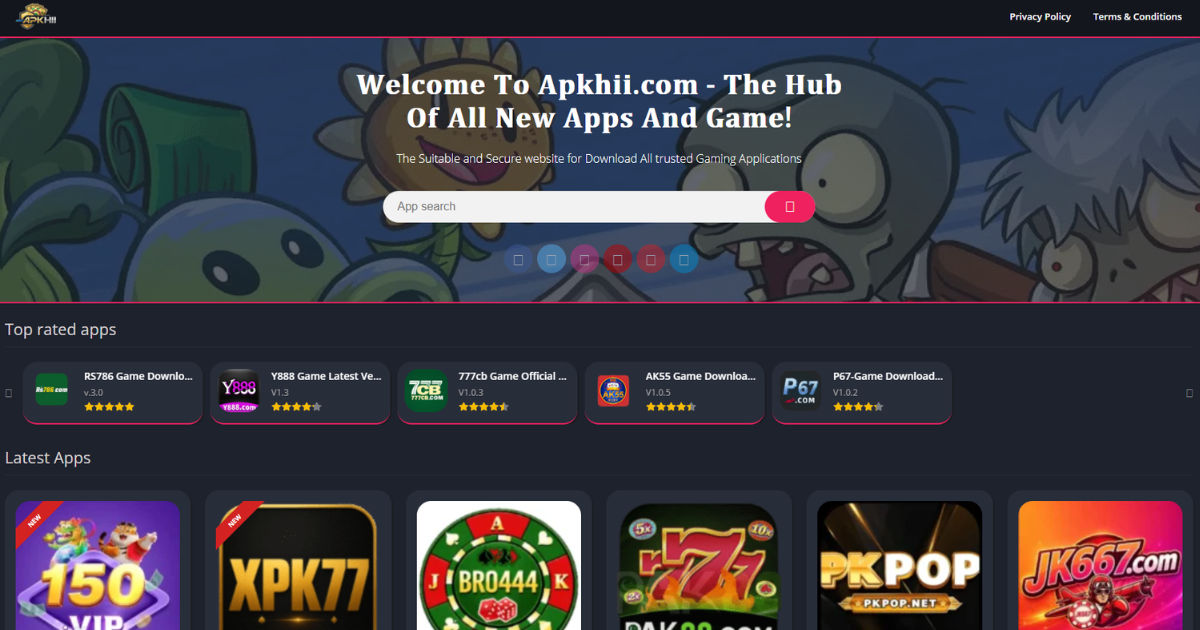
One trending topic among mobile users is how online earning game iOS systems actually work. At the center of this growing interest, many players search for platforms like 3S Game Download to understand how gaming and earning can work together.
If you are an iPhone or iPad user, you may have already seen advertisements about games that claim to provide rewards, bonuses, gift cards, or even real cash.
The popularity of 3S Game Download has increased because users want easy access to earning opportunities through gaming apps. However, many beginners still do not fully understand how these systems operate.
This comprehensive guide explains everything about online earning games on iOS devices. You will learn how they work, how players earn rewards, the role of gaming apps, payment methods, safety tips, advantages, disadvantages, and future trends. Whether you are a beginner or someone looking to improve your understanding, this article will help you make informed decisions.
What Is an Online Earning Game on iOS?
An online earning game is a mobile game that offers rewards to users for completing tasks, winning matches, reaching milestones, or participating in competitions. These games are available on Apple devices such as iPhones and iPads through the App Store or trusted gaming platforms.
Many players searching for 3S Game Download are looking for apps that combine entertainment with financial rewards. These games usually provide points, virtual coins, cash prizes, or gift cards.
The concept is simple. Players spend time playing games, and the platform shares revenue with them through rewards. Some apps earn money through advertisements, while others use subscriptions or in-app purchases.
Unlike traditional games, earning games focus on player engagement and reward systems. This makes them highly attractive to students, casual gamers, and people looking for side income opportunities.
Why Are Online Earning Games Popular on iOS?
The popularity of iOS earning games continues to rise because Apple devices are known for security, smooth performance, and high-quality applications. Many users trust iOS apps more than unknown third-party platforms.
The rise of 3S Game Download searches shows that people want reliable gaming experiences that also offer income opportunities.
Here are some reasons behind this growing popularity.
Easy Accessibility
Most earning games can be downloaded directly from the App Store. Players only need an internet connection and an iPhone.
Entertainment and Income Together
Users enjoy gaming while also earning rewards. This creates a fun and productive experience.
Flexible Schedule
Players can play anytime they want. There is no fixed working hour.
Low Starting Cost
Many online earning games are free to play. Users can start without investing large amounts of money.
Multiple Reward Systems
Different games offer different types of rewards such as:
- PayPal cash
- Gift cards
- Cryptocurrency
- Mobile recharge
- Gaming items
- Tournament prizes
The popularity of 3S Game Download also reflects the growing demand for flexible earning methods among mobile users.
How Does Online Earning Game iOS Work?
To understand how these games work, it is important to know the basic process behind them.
Step 1: Download the App
The first step is downloading the game. Many users searching for 3S Game Download are looking for a trusted app that supports earning features.
Most apps are available on:
- Apple App Store
- Official gaming websites
- Verified gaming platforms
After installation, users create an account using email, Apple ID, or social media accounts.
Step 2: Create a Player Profile
Players usually create a profile that tracks their progress, rewards, and achievements. This profile stores:
- Game statistics
- Earnings
- Referral bonuses
- Payment details
- Tournament rankings
Step 3: Complete Tasks or Play Games
Players earn rewards by:
- Winning matches
- Watching ads
- Completing daily missions
- Referring friends
- Participating in tournaments
- Reaching high scores
The 3S Game Download process often includes reward-based systems that encourage users to remain active.
Step 4: Collect Virtual Rewards
Many games first reward users with points or virtual coins. These points can later be exchanged for real rewards.
For example:
- 1,000 coins may equal $1
- Tournament points may convert into cash prizes
- Reward tokens may unlock gift cards
Step 5: Withdraw Earnings
Once users reach the minimum withdrawal limit, they can request payment through:
- PayPal
- Bank transfer
- Cryptocurrency wallets
- Gift card systems
This entire process makes online earning games attractive for casual gamers.
Different Types of Online Earning Games on iOS
Not all earning games work the same way. Understanding the different types helps users choose the best platform.
Skill-Based Games
These games reward players based on performance and skill.
Examples include:
- Puzzle games
- Card games
- Trivia games
- Strategy games
Users interested in 3S Game Download often prefer skill-based games because experienced players can improve earnings through practice.
Tournament Games
Tournament-based games allow players to compete against others for prize pools.
Players usually:
- Pay small entry fees
- Join competitions
- Win rewards based on ranking
Reward Apps
Some apps do not focus on competition. Instead, they reward players for simple activities such as:
- Watching videos
- Playing mini-games
- Completing surveys
- Logging in daily
NFT and Blockchain Games
Modern earning games now include cryptocurrency and NFT systems. These games reward users with digital assets that can be traded online.
Some users searching for 3S Game Download are also exploring blockchain gaming opportunities.
How Do Gaming Companies Make Money?
Many beginners wonder how gaming companies can pay players.
The answer is simple. These companies earn revenue from multiple sources.
Advertisements
Most free games display ads. Companies earn money whenever users watch or click advertisements.
In-App Purchases
Players often buy:
- Skins
- Power-ups
- Extra lives
- Premium memberships
A portion of this revenue may be shared with players.
Sponsorships
Brands sponsor popular games to reach large audiences.
Tournament Fees
Competitive games often charge small entry fees that contribute to prize pools.
This business model supports systems like 3S Game Download and other earning platforms.
Features to Look for in an iOS Earning Game
Choosing the right app is very important.
Secure Payment System
Always choose games with verified payment methods.
Positive User Reviews
Check ratings and user feedback before downloading.
Transparent Policies
Good apps clearly explain:
- Earning methods
- Withdrawal limits
- Payment schedules
Fair Gameplay
Avoid apps that promise unrealistic rewards.
Customer Support
Reliable customer service is essential for solving payment or account issues.
Many users searching for 3S Game Download prioritize trusted platforms with secure systems.
Is Online Earning Through Games Real?
Yes, many online earning games are legitimate. However, earnings vary based on skill, time, and platform quality.
Some players earn small rewards casually, while professional gamers may earn significant amounts through tournaments and streaming.
Still, users should remain realistic. Most games will not make someone instantly rich.
The purpose of apps like 3S Game Download is usually to provide entertainment combined with moderate earning opportunities.
Common Ways Players Earn Money
Referral Programs
Many apps reward users for inviting friends.
Daily Bonuses
Players receive rewards for regular activity.
Competitive Matches
Winning competitions often provides the largest payouts.
Watching Advertisements
Some apps pay users for ad engagement.
Selling Digital Assets
In blockchain games, players may sell NFTs or rare items.
These earning methods make platforms like 3S Game Download appealing to younger audiences.
Advantages of Online Earning Games on iOS
Portable Entertainment
Users can play anywhere using their iPhones.
Flexible Earnings
There are no fixed working hours.
Skill Development
Some games improve:
- Problem-solving
- Strategy
- Decision-making
- Coordination
Social Interaction
Multiplayer games connect users globally.
Low Investment
Many games are free to start.
The popularity of 3S Game Download shows how mobile gaming combines convenience with earning potential.
Disadvantages and Risks
While earning games offer benefits, users should also understand the risks.
Scam Applications
Some fake apps never pay users.
Addiction Risk
Excessive gaming can negatively affect health and productivity.
Small Earnings
Most casual players earn limited amounts.
Privacy Concerns
Some apps may misuse personal data.
In-App Spending
Players may spend more money than they earn.
Users interested in 3S Game Download should carefully research apps before investing time or money.
Safety Tips for Using Online Earning Games
Use Official Platforms
Always download apps from trusted sources.
Protect Personal Information
Avoid sharing sensitive financial details unnecessarily.
Read Reviews
Check community feedback before joining.
Set Time Limits
Balance gaming with studies, work, and personal life.
Avoid Unrealistic Promises
Be careful with apps claiming huge earnings overnight.
Following these safety tips helps users enjoy 3S Game Download and similar apps responsibly.
How iOS Security Helps Players
Apple devices are known for strong security systems.
App Review Process
Apple reviews apps before publishing them on the App Store.
Better Privacy Controls
Users can manage app permissions easily.
Secure Payment Systems
Apple Pay and verified payment systems reduce fraud risks.
Regular Software Updates
Updates improve security and protect user data.
These features make iOS a preferred platform for online earning games like 3S Game Download.
Popular Categories of Earning Games
Puzzle Games
These games reward players for solving challenges.
Trivia Games
Knowledge-based competitions offer prizes.
Fantasy Sports Games
Users create virtual teams and earn rewards based on real sports events.
Casino-Style Games
Some apps include poker, slots, or card-based competitions. However, legal restrictions vary by country.
Action and Battle Games
Competitive multiplayer games often provide tournament rewards.
Many users exploring 3S Game Download are interested in these exciting categories.
Can Students Benefit from Online Earning Games?
Yes, students often use earning games for small side income opportunities.
Benefits include:
- Flexible schedules
- Entertainment during free time
- Opportunity to learn digital skills
However, students should prioritize education and avoid excessive gaming.
Responsible use of platforms like 3S Game Download can help students balance fun and productivity.
Role of Internet Connection in Earning Games
Stable internet is very important for online gaming.
Poor internet can cause:
- Match disconnections
- Delayed rewards
- Gameplay issues
Most competitive games require:
- High-speed internet
- Stable Wi-Fi
- Low latency connections
Users of 3S Game Download and similar platforms should ensure strong internet performance for better gaming experiences.
Future of Online Earning Games on iOS
The future of earning games looks promising.
Several technologies are shaping this industry.
Artificial Intelligence
AI improves personalized gaming experiences.
Blockchain Technology
Digital assets and cryptocurrency rewards are becoming more common.
Cloud Gaming
Players may soon access high-quality games without large downloads.
Virtual Reality
Immersive gaming experiences may create new earning opportunities.
Esports Growth
Competitive gaming tournaments continue to expand globally.
As technology advances, platforms like 3S Game Download may offer more innovative earning systems.
Tips to Maximize Earnings
Practice Regularly
Improving skills increases winning chances.
Join Trusted Platforms
Research apps before joining.
Participate in Tournaments
Competitions often offer larger rewards.
Complete Daily Tasks
Consistent activity boosts earnings.
Avoid Overspending
Never spend more money than you can afford to lose.
Smart strategies can help users benefit more from 3S Game Download and other gaming apps.
How Parents Can Monitor Teen Gaming
Teenagers are among the largest users of mobile earning games.
Parents should:
- Monitor screen time
- Discuss online safety
- Encourage balance
- Review app permissions
- Limit unnecessary spending
Responsible supervision helps maintain healthy gaming habits.
Difference Between Casual Gaming and Professional Gaming
Casual Gaming
Casual players participate mainly for entertainment and small rewards.
Professional Gaming
Professional gamers compete in tournaments, streaming platforms, and sponsorship deals.
Professional gaming requires:
- Advanced skills
- Training
- Consistency
- Teamwork
Some users start with platforms like 3S Game Download before exploring professional opportunities.
How Payment Withdrawals Work
Most earning apps follow similar withdrawal systems.
Minimum Withdrawal Threshold
Players must reach a minimum amount before cashing out.
Verification Process
Some apps require identity verification for security.
Payment Processing Time
Payments may take hours or days depending on the platform.
Transaction Fees
Certain platforms deduct small withdrawal fees.
Users should review payment policies carefully when using 3S Game Download or similar applications.
Mistakes Beginners Should Avoid
Ignoring Terms and Conditions
Always read platform policies.
Falling for Fake Apps
Research before downloading.
Spending Excessively
Avoid risky in-app purchases.
Sharing Passwords
Protect account security.
Expecting Instant Wealth
Online earning games usually provide moderate rewards.
Avoiding these mistakes helps users enjoy safer gaming experiences.
Best Practices for Responsible Gaming
Set Daily Limits
Avoid spending excessive time gaming.
Maintain Healthy Habits
Balance gaming with physical activity and sleep.
Track Spending
Monitor purchases and earnings carefully.
Focus on Entertainment
Treat earning games as supplemental income rather than guaranteed employment.
Responsible gaming ensures long-term enjoyment of platforms like 3S Game Download.
Conclusion
Online earning games on iOS have become one of the most popular forms of digital entertainment. They combine gaming excitement with opportunities to earn rewards, cash prizes, or digital assets. As mobile technology continues to improve, more users are exploring trusted gaming platforms and searching for systems like 3S Game Download to participate in this growing industry.
Understanding how online earning game iOS systems work is essential before joining any platform. Players should always choose secure apps, manage their time responsibly, and remain realistic about earning expectations. While these games can provide enjoyable experiences and small income opportunities, they should never replace stable financial planning or education.
The future of mobile earning games appears bright with advancements in artificial intelligence, blockchain technology, and esports competitions. As more developers create innovative reward systems, users can expect safer, smarter, and more engaging gaming experiences on iOS devices.
For beginners, the key to success is balance. Enjoy the entertainment, improve your skills, stay safe online, and use trusted platforms such as 3S Game Download responsibly. With the right approach, online earning games can become both enjoyable and rewarding.
How independent financial advisor explains risk?
Understanding financial risk is one of the most important parts of building wealth, yet many people find it confusing or even intimidating. An independent financial advisor plays a key role in making this concept clear, simple, and practical for everyday investors.
An independent financial advisor does not just talk about profits or returns—they focus on helping you understand what you might lose, what you can handle emotionally, and what fits your life goals.
In this guide, we will explore how an independent financial advisor explains risk in a way that even a 12th-grade student can easily understand.
We will break down different types of risks, how advisors measure them, and how they help clients make smarter financial decisions. By the end, you will see how an independent financial advisor turns complex financial ideas into simple, real-world understanding.
What Does Financial Risk Really Mean?
Financial risk simply means the possibility that your money may not grow as expected or that you might lose some of it. An independent financial advisor explains risk as a natural part of investing, not something to fear completely.
An independent financial advisor helps clients understand that every investment—whether it is stocks, bonds, or real estate—comes with some level of uncertainty. Even keeping money in cash has risk, such as inflation reducing its value over time.
When an independent financial advisor explains risk, they focus on three main ideas:
- Possibility of loss
- Uncertainty of returns
- Time and market changes
By breaking it down like this, an independent financial advisor makes financial risk easier to understand and less overwhelming for beginners.
Why Risk Education Matters in Investing
An independent financial advisor knows that many investors lose money not because of bad investments, but because they do not understand risk properly. Education is the first step toward smart investing.
A skilled independent financial advisor explains that avoiding risk completely is not possible if you want your money to grow. Instead, the goal is to manage risk wisely. This helps investors avoid panic during market ups and downs.
The independent financial advisor also teaches that emotional decisions—like selling everything during a market drop—are often more harmful than the risk itself. Understanding risk leads to better patience and discipline.
Types of Financial Risk Explained
An independent financial advisor breaks down risk into different categories so clients can understand it better.
Market Risk
Market risk refers to the rise and fall of investment prices. An independent financial advisor explains that stock markets can go up and down due to economic changes, political events, or global news.
Inflation Risk
Inflation reduces the purchasing power of money over time. An independent financial advisor helps clients understand that even safe investments must beat inflation to truly grow wealth.
Credit Risk
This is the risk that a company or borrower may not repay money. An independent financial advisor evaluates credit risk when recommending bonds or fixed-income investments.
Liquidity Risk
Liquidity risk is the difficulty of selling an asset quickly. An independent financial advisor explains that real estate, for example, cannot be sold instantly like stocks.
Longevity Risk
This is the risk of outliving your savings. An independent financial advisor often focuses on retirement planning to reduce this risk.
How Independent Financial Advisor Assesses Risk Tolerance
An independent financial advisor uses structured methods to measure how much risk a person can handle emotionally and financially.
Risk tolerance means how comfortable you are with ups and downs in your investments. A young investor might accept higher risk, while a retired person may prefer safety.
An independent financial advisor usually asks questions like:
- How would you react if your investment dropped 20%?
- What is your financial goal timeline?
- How stable is your income?
By analyzing these answers, an independent financial advisor builds a profile that matches investments with comfort levels.
Risk Capacity vs Risk Tolerance
An important concept explained by an independent financial advisor is the difference between risk tolerance and risk capacity.
- Risk tolerance is emotional comfort
- Risk capacity is financial ability
An independent financial advisor explains that even if someone is comfortable with risk, they may not have the financial strength to take large losses. For example, a person with limited savings should avoid high-risk investments.
Balancing both factors is a key job of an independent financial advisor.
Tools Used by Independent Financial Advisor to Explain Risk
An independent financial advisor uses several tools to simplify risk understanding:
Charts and Graphs
Visual tools help show how investments rise and fall over time.
Scenario Analysis
An independent financial advisor shows “what if” situations, such as market crashes or slow growth periods.
Risk Questionnaires
These help measure emotional response to financial loss.
Portfolio Simulations
An independent financial advisor demonstrates how different investments perform under various conditions.
These tools make risk more visible and easier to understand.
How Independent Financial Advisor Builds a Balanced Portfolio
An independent financial advisor uses diversification to reduce risk. Diversification means spreading money across different investments.
A balanced portfolio may include:
- Stocks for growth
- Bonds for stability
- Cash for safety
- Real estate for long-term value
An independent financial advisor explains that diversification reduces the impact of one bad investment on the entire portfolio.
The goal is not to eliminate risk but to manage it smartly.
Behavioral Psychology and Risk
An independent financial advisor also studies human behavior. Many investors make emotional decisions during market changes.
Common emotional mistakes include:
- Panic selling during a crash
- Overconfidence during a bull market
- Following crowd behavior
An independent financial advisor helps clients stay rational. They remind investors that markets move in cycles and short-term changes should not affect long-term goals.
By controlling emotions, an independent financial advisor helps reduce unnecessary financial losses.
Real-Life Example of Risk Explanation
Imagine two investors:
- Investor A invests without guidance
- Investor B works with an independent financial advisor
When the market drops, Investor A panics and sells everything at a loss. Investor B, guided by an independent financial advisor, understands that the drop is temporary and stays invested.
Later, when the market recovers, Investor B gains back value while Investor A locks in losses. This example shows how an independent financial advisor helps people stay calm and focused.
Common Mistakes Investors Make About Risk
An independent financial advisor often sees the same mistakes repeated:
- Ignoring risk completely
- Taking too much risk for quick profit
- Not understanding investment products
- Reacting emotionally to news
An independent financial advisor corrects these mistakes through education and planning. They help clients build realistic expectations about returns and losses.
How Independent Financial Advisor Communicates Risk Clearly
Communication is a major skill for an independent financial advisor. They avoid technical jargon and use simple language.
Instead of saying “volatility,” an independent financial advisor might say “price ups and downs.” Instead of “asset allocation,” they say “how your money is divided.”
This makes financial concepts easier for beginners to understand.
An independent financial advisor also uses storytelling and examples to make risk relatable to everyday life.
Risk Management Across Life Stages
An independent financial advisor adjusts risk strategies based on age and life stage.
Teenagers and Young Adults
Higher risk tolerance, focus on growth investments.
Working Adults
Balanced risk with savings, investments, and family planning.
Near Retirement
Lower risk, focus on capital protection.
Retirement
Income stability and preservation of wealth.
An independent financial advisor ensures that risk levels match life goals at every stage.
Importance of Long-Term Thinking
An independent financial advisor always emphasizes long-term thinking. Short-term market changes are normal, but long-term planning leads to success.
Investors who understand this concept are less likely to panic during market volatility. An independent financial advisor reinforces patience as a key financial skill.
Conclusion
Risk is not something to fear—it is something to understand and manage. Throughout this guide, we have seen how an independent financial advisor plays a crucial role in simplifying complex financial risks into clear, practical ideas.
From explaining market fluctuations to assessing emotional comfort, an independent financial advisor helps investors make smarter, more confident decisions. They teach that risk is not about avoiding losses completely but about balancing opportunity and safety.
An independent financial advisor also helps people avoid emotional mistakes, build diversified portfolios, and plan for different life stages. Their guidance ensures that investors do not just chase returns but also understand what those returns involve.
In the end, financial success is not about eliminating risk—it is about understanding it. And that is exactly what an independent financial advisor does best.