
what is a wifi home control system?
A wifi home control system is becoming one of the most important parts of modern smart living, changing how people manage devices, security, and comfort inside their homes.
In simple terms, a wifi home control system in Effortless, Connected Living is a connected setup that allows you to control different home appliances and functions through a wireless internet connection using your smartphone, tablet, or voice assistant.
This article explains everything about a wifi home control system in detail, including how it works, its components, benefits, installation process, and future possibilities.
Introduction to Wifi Home Control System
A wifi home control system is a smart technology framework designed to connect household devices through a shared WiFi network. With a wifi home control system, users can control lighting, fans, air conditioning, security cameras, door locks, and even kitchen appliances remotely. The main idea behind a wifi home control system is convenience, automation, and efficiency.
The growing popularity of a wifi home control system is linked to the increasing demand for smart homes. People want more control over their environment without physically interacting with every device. A wifi home control system makes this possible by acting as a central communication bridge between the user and home devices.
What is a Wifi Home Control System?
A wifi home control system is a network-based automation system that connects smart devices in a home using WiFi technology. It allows centralized control of multiple devices through an application or voice commands. A wifi home control system does not require complex wiring, making it easy to install and use in both new and existing homes.
At its core, a wifi home control system relies on internet connectivity to function. Each device connected to the wifi home control system communicates with a central hub or cloud platform. This enables real-time monitoring and control from anywhere in the world.
A wifi home control system is not just about convenience; it also enhances energy efficiency and home security. For example, users can turn off lights remotely or monitor security cameras while traveling.
How Wifi Home Control System Works
The working mechanism of a wifi home control system is based on wireless communication and cloud technology. When a device is connected to a wifi home control system, it receives commands through a mobile app or smart assistant.
First, the devices are connected to a WiFi router. Then, they are paired with the wifi home control system application. Once connected, the system allows users to send instructions like turning devices on or off, adjusting settings, or scheduling operations.
A wifi home control system uses cloud servers to store and process commands. When a user sends a command, it travels from the mobile app to the cloud, and then to the device. This process happens within seconds, making the wifi home control system highly responsive.
Components of Wifi Home Control System
A wifi home control system is made up of several key components that work together to create a smart environment.
The first component is smart devices such as smart bulbs, smart plugs, thermostats, and security cameras. These devices are the actual hardware controlled by the wifi home control system.
The second component is the WiFi router, which acts as the communication backbone of the wifi home control system. Without a stable internet connection, the system cannot function properly.
The third component is the control application. This app is installed on smartphones or tablets and serves as the user interface of the wifi home control system.
The fourth component is cloud integration, which allows remote access and data processing for the wifi home control system.
Benefits of Wifi Home Control System
One of the biggest advantages of a wifi home control system is convenience. Users can control their entire home environment from a single device. This reduces the need for manual operation of appliances.
Another major benefit of a wifi home control system is energy efficiency. By automating lights and appliances, the system helps reduce unnecessary energy consumption.
Security is also significantly improved with a wifi home control system. Users can monitor their homes in real-time using connected cameras and sensors.
A wifi home control system also enhances comfort by allowing personalized automation. For example, users can set schedules for lights or temperature adjustments.
Installation of Wifi Home Control System
Installing a wifi home control system is relatively simple compared to traditional wired automation systems. Most modern devices are plug-and-play and can be connected through a mobile application.
The first step in setting up a wifi home control system is to ensure a stable WiFi connection. Without it, the system cannot function properly.
Next, users need to install smart devices that are compatible with the wifi home control system. These devices are then connected to the home WiFi network.
After that, the user downloads the control application and pairs each device with the wifi home control system.
Finally, automation settings and preferences are configured to complete the setup of the wifi home control system.
Security Features in Wifi Home Control System
Security is a major concern in any smart technology, and a wifi home control system includes multiple layers of protection. Most systems use encryption to secure data transmission between devices and the cloud.
A wifi home control system also includes authentication features such as passwords, biometric login, and two-factor verification.
Additionally, many wifi home control systems provide alerts for unusual activity, helping users stay informed about their home security status.
Applications of Wifi Home Control System
A wifi home control system is used in many areas of daily life. In lighting control, users can turn lights on or off remotely or set automatic schedules.
In climate control, a wifi home control system can regulate air conditioners and heaters based on user preferences.
Security systems also rely heavily on a wifi home control system, allowing real-time surveillance and control of locks and alarms.
Entertainment systems can also be integrated into a wifi home control system, enabling users to control TVs, speakers, and streaming devices.
Challenges of Wifi Home Control System
Although a wifi home control system offers many benefits, it also has some limitations. One major challenge is dependency on internet connectivity. If the WiFi network is down, the system may not function properly.
Another challenge of a wifi home control system is security risks. Since it is connected to the internet, it may be vulnerable to hacking if not properly secured.
Compatibility issues can also arise when different brands of devices are used in the same wifi home control system.
Future of Wifi Home Control System
The future of the wifi home control system is very promising. With advancements in artificial intelligence and machine learning, these systems are becoming more intelligent and adaptive.
Future wifi home control system setups will likely include predictive automation, where the system learns user behavior and adjusts settings automatically.
Integration with smart cities and IoT networks will also expand the capabilities of the wifi home control system.
Voice assistants will become even more advanced, making the wifi home control system more natural to use.
Maintenance and Optimization of Wifi Home Control System
To keep a wifi home control system running smoothly, regular maintenance is important. Updating firmware ensures that devices remain secure and functional.
Users should also monitor network performance to avoid delays in the wifi home control system.
Proper device management helps prevent overload and improves system efficiency.
Why Wifi Home Control System is Important for Modern Homes
A wifi home control system is important because it brings automation, efficiency, and control into everyday living. It simplifies household management and reduces manual effort.
With a wifi home control system, users can manage their homes even when they are away, making it a valuable tool for modern lifestyles.
Conclusion
A wifi home control system represents the future of smart living by combining convenience, automation, and connectivity into one unified platform. It allows users to control multiple home devices remotely, improve energy efficiency, and enhance security.
As technology continues to evolve, the wifi home control system will become even more advanced and accessible to households worldwide. Its ability to integrate with various devices and adapt to user needs makes it a powerful solution for modern homes.
Understanding and adopting a wifi home control system today means stepping into a smarter, more efficient future where homes respond intelligently to human needs.
What dosing system Powder packing machine uses?
A Powder packing machine is widely used in food, pharmaceutical, chemical, and agricultural industries to accurately fill and pack powdered materials into pouches, bottles, or containers.
A Powder packing machine relies heavily on its dosing system because dosing determines accuracy, consistency, and product quality.
Without a proper dosing mechanism, a Powder packing machine cannot deliver precise weights or volumes, which leads to waste, customer complaints, and production inefficiency.
In this detailed guide, we will explore all major dosing systems used in a Powder packing machine, how they work, where they are used, and how to choose the right one.
A Powder packing machine may use different technologies depending on powder type, flow characteristics, and required accuracy. By the end of this article, you will clearly understand how a Powder packing machine handles dosing in modern industrial applications.
Dosing in Powder Packaging
Dosing refers to the controlled measurement of powder before it is filled into packaging. Every Powder packing machine depends on a dosing system to ensure each packet contains the correct amount of product.
A Powder packing machine must handle powders that can vary widely in density, texture, and flowability. For example:
- Fine flour flows differently than protein powder
- Spices behave differently than pharmaceutical powders
- Chemical powders may be sticky or free-flowing
Because of these differences, a Powder packing machine uses multiple dosing technologies to ensure accuracy.
Main Dosing Systems Used in Powder Packing Machine
A modern Powder packing machine typically uses one or more of the following dosing systems:
Auger Screw Dosing System
One of the most common systems in a Powder packing machine is the auger screw filler. It uses a rotating screw (auger) to push powder into the packaging.
How it works
- Powder is stored in a hopper
- A rotating auger moves powder downward
- The rotation speed controls the dose amount
- Each rotation equals a measured quantity
A Powder packing machine using auger dosing is ideal for fine, non-free-flowing powders.
Advantages
- High accuracy
- Suitable for sticky powders
- Easy calibration
- Widely used in industries
A Powder packing machine with auger dosing is commonly used in milk powder, coffee, and pharmaceutical packaging.
Volumetric Cup Dosing System
Another common method in a Powder packing machine is volumetric cup dosing. This system uses fixed cups to measure powder by volume.
How it works
- Cups fill with powder from a hopper
- Excess powder is leveled off
- The cup releases powder into packaging
A Powder packing machine using this system depends on volume consistency rather than weight.
Advantages
- Simple structure
- Low cost
- Fast operation
- Easy maintenance
However, a Powder packing machine with volumetric cups is less accurate for powders with varying density.
Gravimetric Dosing System
A high-precision Powder packing machine often uses gravimetric dosing, which measures powder by weight using load cells.
How it works
- Powder is dispensed into a weighing container
- Load cells measure exact weight
- System stops when target weight is reached
A Powder packing machine with gravimetric dosing ensures extremely high accuracy.
Advantages
- Very precise measurement
- Reduces product wastage
- Ideal for premium products
Industries using sensitive formulations often prefer a Powder packing machine with gravimetric systems.
Multi-Head Weighing System (Hybrid Use)
Although more common in granular products, some advanced Powder packing machine setups use multi-head weighing systems.
How it works
- Multiple weighing buckets fill simultaneously
- Software selects best combination weight
- Powder is discharged into packaging
This type of Powder packing machine is used for high-speed production lines.
Advantages
- Extremely fast
- High efficiency
- Smart weight selection
A Powder packing machine with multi-head systems is suitable for large-scale industries.
Vacuum Dosing System
Some specialized Powder packing machine models use vacuum-assisted dosing, especially for ultra-fine powders.
How it works
- Vacuum suction draws powder
- Measured quantity is controlled by timing or weight
- Powder is released into packaging
This Powder packing machine system is used for lightweight powders like talc or ultra-fine chemicals.
Advantages
- Prevents dusting
- Clean operation
- Suitable for hazardous powders
Factors That Decide Dosing System in Powder Packing Machine
Choosing the right dosing system in a Powder packing machine depends on several factors:
Powder Characteristics
A Powder packing machine must handle:
- Flowability
- Moisture content
- Particle size
- Stickiness
Fine powders often need auger systems, while free-flowing powders may use volumetric cups.
Required Accuracy
A Powder packing machine used for pharmaceuticals requires high precision, while food packaging may allow slight variations.
- High accuracy → gravimetric system
- Medium accuracy → auger system
- Low accuracy → volumetric system
Production Speed
High-speed operations require a Powder packing machine with faster dosing systems like multi-head or optimized auger fillers.
Cost Consideration
Budget plays a big role in selecting a Powder packing machine:
- Low cost → volumetric cup system
- Medium cost → auger system
- High cost → gravimetric system
Working Principle of Dosing in Powder Packing Machine
Every Powder packing machine follows a general workflow:
- Powder is stored in hopper
- Dosing system measures required amount
- Powder is transferred to packaging film or container
- Sealing process completes packaging
This cycle repeats continuously in a Powder packing machine, ensuring efficient production.
Calibration of Dosing Systems
Calibration is essential for maintaining accuracy in a Powder packing machine.
Why calibration is important
- Ensures correct weight
- Prevents product loss
- Maintains quality standards
How it is done
- Test weights are used
- System is adjusted based on deviation
- Regular checks ensure consistency
A well-calibrated Powder packing machine improves production reliability.
Common Problems in Dosing Systems
A Powder packing machine may face issues such as:
Inconsistent filling
Caused by uneven powder flow in a Powder packing machine.
Blockage in auger system
Sticky powders can jam the dosing system.
Weight variation
Occurs in poorly calibrated Powder packing machine setups.
Dust formation
Fine powders may create dust during dosing.
Maintenance of Dosing Systems
Proper maintenance ensures long life of a Powder packing machine.
Daily maintenance
- Cleaning hopper
- Checking screws and seals
- Removing powder residue
Weekly maintenance
- Calibration check
- Lubrication of moving parts
Monthly maintenance
- Deep cleaning
- Inspection of load cells
- Software checks
A well-maintained Powder packing machine performs efficiently for years.
Applications of Powder Packing Machine Dosing Systems
A Powder packing machine is used in many industries:
Food Industry
- Milk powder
- Coffee powder
- Spices
- Protein supplements
Pharmaceutical Industry
- Medicines
- Powdered drugs
- Nutritional supplements
Chemical Industry
- Fertilizers
- Cleaning powders
- Industrial chemicals
Each Powder packing machine is customized based on industry requirements.
Advantages of Modern Dosing Systems in Powder Packing Machine
Modern technology has improved every Powder packing machine.
Key benefits
- High accuracy
- Faster production
- Reduced wastage
- Better hygiene
- Automation support
A modern Powder packing machine increases overall productivity significantly.
Future of Dosing Technology in Powder Packing Machine
The future Powder packing machine will include:
- AI-based weight control
- Smart sensors
- Self-calibration systems
- IoT monitoring
These advancements will make the Powder packing machine more intelligent and efficient.
Choosing the Right Powder Packing Machine Dosing System
To choose the right Powder packing machine, consider:
- Type of powder
- Required accuracy
- Production speed
- Budget
- Maintenance capability
A proper selection ensures that the Powder packing machine delivers optimal performance.
Conclusion
A Powder packing machine relies heavily on its dosing system to ensure accurate, efficient, and consistent packaging. Whether it uses auger screw dosing, volumetric cups, gravimetric weighing, or advanced multi-head systems, each Powder packing machine is designed to meet specific industrial needs. Understanding these systems helps businesses choose the right Powder packing machine for their production line.
In modern industries, the demand for precision and speed continues to grow, and a Powder packing machine plays a vital role in achieving these goals. With advancements in automation and smart technology, future Powder packing machine systems will become even more accurate and efficient.
By selecting the right dosing system, maintaining equipment properly, and understanding material behavior, any business can maximize the performance of a Powder packing machine and ensure high-quality output consistently.
What Are Park Lashing Symptoms?
Piles, also known as hemorrhoids, are a very green wellness that affects populate of all ages, especially adults. They happen when the veins in the turn down part of the rectum and anus become flooding and inflamed.
While lashing are not usually life-threatening, they can cause substantial uncomfortableness and involve life. Many people feel mortified talking about it, but 𝐁𝐚𝐰𝐚𝐬𝐞𝐞𝐫 (𝐩𝐢𝐥𝐞𝐬/𝐡𝐞𝐦𝐨𝐫𝐫𝐡𝐨𝐢𝐝𝐬) 𝐤𝐚 𝐢𝐥𝐚𝐣 in Karachi is more green than most think. Understanding the symptoms early can help in getting specific handling and preventing complications.
This guide explains the commons symptoms of scores in a simpleton and way for better sentience.
What Are Piles?
Piles are swollen rake vessels located in or around the anus and lower rectum. These flooding veins can become annoyed due to hale, straining during intestine movements, impairment, or extended session.
Piles are in the main classified ad into two main types:
- Internal loads: Found interior the rectum
- External stacks: Found under the skin around the anus
Each type may cause different symptoms, but many signs can overlap. Some mountain are painless, while others can be very uncomfortable depending on severity.
Common Symptoms of Piles
The symptoms of oodles can vary from mild temper to severe pain and haemorrhage. In some cases, symptoms appear bit by bit, while in others they may on the spur of the moment decline.
Below are the most green symptoms explained in detail.
Rectal Bleeding
One of the soonest and most commons signs of stacks is body part hemorrhage.
People often mark:
- Bright red rake on toilette paper
- Blood droplets in the toilet bowl
- Streaks of rip on stool
This bleeding usually happens during or after passing stool. It occurs because high veins get pissed off and rupture somewhat.
In most cases, the hemorrhage is not irritating, especially in intramural scads. However, buy at hemorrhage should never be ignored, as it can also indicate other medical conditions.
Itching and Irritation Around the Anus
Another very park symptom is itchiness in and around the anal area.
This happens because:
- Mucus escape from loads irritates the skin
- Moisture builds up around the anus
- Frequent wiping causes skin sensitivity
The itching can become intense, especially at Nox or after bowel movements. Scratching may provide temporary worker succour but often makes the pique worsened.
This symptom is more common in external stacks but can also occur in intragroup ones if there is leak.
Pain and Discomfort
Pain is not always present in scads, but when it does take plac, it can be quite bad.
Pain is more commons in:
- External piles
- Thrombosed scores(when a profligate clot forms)
The pain may feel like:
- A sharply sting during bowel movement
- A dull ache while sitting
- Burning sensory faculty around the anus
Severe pain often indicates complications and should be evaluated by a healthcare professional.
Swelling or Lump Near the Anus
Many populate with lots note a soft or hard lump around the anal area. This is a overflowing vein that may feel like a small bump.
Characteristics include:
- Soft swelling in early on stages
- Hard and irritating lump if rake clots form
- Visible bulge out during sitting or straining
External wads are easier to feel and see, while intramural lashing may only become noticeable when they protrude outside.
Prolapse(Piles Coming Out)
In more high-tech cases, internal tons can slip outside the anus. This is known as descensus.
Symptoms let in:
- Feeling something orgasm out during gut movement
- A soft tissue that may go back interior on its own
- In intense cases, scads that must be pushed back manually
Prolapse can cause uncomfortableness, hygienics issues, and irritation. It is often a sign of tone down to wicked lots.
Mucus Discharge
Some people with mountain mark a wet from the anus. This is mucous secretion produced by the stung body part lining.
This can lead to:
- Wet tactile sensation around the anus
- Staining of underwear
- Skin temper and itching
Mucus is more usually linked to intramural scads, especially when they are unhealthy or prolapsed.
Feeling of Incomplete Bowel Movement
Another commons symptom is the touch that the gut has not been totally emptied after passing stool.
This happens because:
- Swollen veins stuff full passage
- Prolapsed scads produce a sentiency of fullness
- Irritation affects normal bowel sensation
People may feel the need to go to the toilet again even soon after passage stool.
Thrombosed Piles Symptoms
Thrombosed lashing pass when a roue clot forms inside an external haemorrhoid. This condition is usually more painful than fixture dozens.
Symptoms let in:
- Sudden terrible pain around the anus
- Hard, swollen lump near the opening
- Dark blue or purple color of the lump
- Difficulty session or walk comfortably
This type often develops apace and can feel much worse than pattern rafts. Medical aid may be needful if pain becomes terrible.
Differences Between Internal and External Piles Symptoms
Understanding the difference between intragroup and lashing can help identify symptoms more clearly.
Internal Piles Symptoms
Internal piles are situated interior the rectum and usually include:
- Painless bleeding
- Mucus discharge
- Feeling of incomplete intestine movement
- Prolapse in high-tech stages
Since they are inside, they are often not circumpolar or uncomfortable in early on stages.
External Piles Symptoms
External scads fall out around the anus and are easier to notice.
Common symptoms admit:
- Pain or discomfort
- Swelling or lumps
- Itching and irritation
- Pain during seance or movement
External oodles are more likely to cause uncomfortableness due to their positioning.
When Piles Symptoms Become Worse
Piles symptoms may worsen due to modus vivendi and habits.
Common triggers admit:
- Straining during bowel movements
- Low vulcanized fiber diet
- Chronic constipation
- Sitting for long hours
- Lack of natural science activity
As symptoms worsen, haemorrhage may increase, pain may step up, and descensus may become more shop at.
When to See a Doctor
While mild stacks can sometimes be managed with life style changes, health chec care is key in certain cases.
You should see a doctor if:
- Bleeding occurs frequently or heavily
- Pain becomes terrible or constant
- A lump does not reduce over time
- You experience considerable uncomfortableness while seance or walking
- Symptoms do not better after home care
Early diagnosing helps prevent complications and ensures specific handling.
Simple Ways to Reduce Symptom Discomfort
Although this steer focuses on symptoms, sympathy basic succor methods is useful.
Some simple stairs include:
- Eating high-fiber foods like fruits and vegetables
- Drinking plenteousness of water
- Avoiding strain during bowel movements
- Taking warm sitz baths
- Maintaining good hygiene
These steps can tighten irritation and help manage symptoms more comfortably.
Emotional and Daily Life Impact of Piles Symptoms
Piles do not only regard the body but also daily console and trust. Many populate feel mortified or queasy due to symptoms like hemorrhage, itch, or discomfort.
Common effects admit:
- Difficulty seance for long periods
- Reduced focalise due to discomfort
- Stress or vex about intestine movements
- Avoidance of mixer situations in intense cases
Understanding that scads are commons and treatable can help reduce this stress.
Complications if Symptoms Are Ignored
Ignoring rafts symptoms for a long time can lead to complications such as:
- Severe genus Anemia due to rakehell loss
- Increased puffiness and prolapse
- Formation of rip clots
- Chronic pain and discomfort
Early attention to symptoms helps prevent these issues.
Conclusion
Piles are a widespread condition that can involve anyone, especially those with poor habits, constipation, or long session hours. The most green symptoms admit body part haemorrhage, itch, pain, puffiness, prolapse, mucus , and the tactual sensation of unfinished gut movements.
While the symptoms may seem bad or even horrible, they are usually manageable with proper care and lifestyle changes. Understanding these symptoms early is significant for apropos treatment and better tone of life. If symptoms become severe or unrelenting, consulting a health care professional is always the safest pick.
Being witting of your body and noticing changes early can make a big difference in managing mountain in effect and preventing complications.
What is a convertible Luggage Stroller used for?
The modern travel world is changing quickly, and parents, solo travelers, and frequent flyers are constantly looking for smarter ways to move through airports and cities with less stress. One innovation gaining attention is the TernX Carryon Luggage Stroller.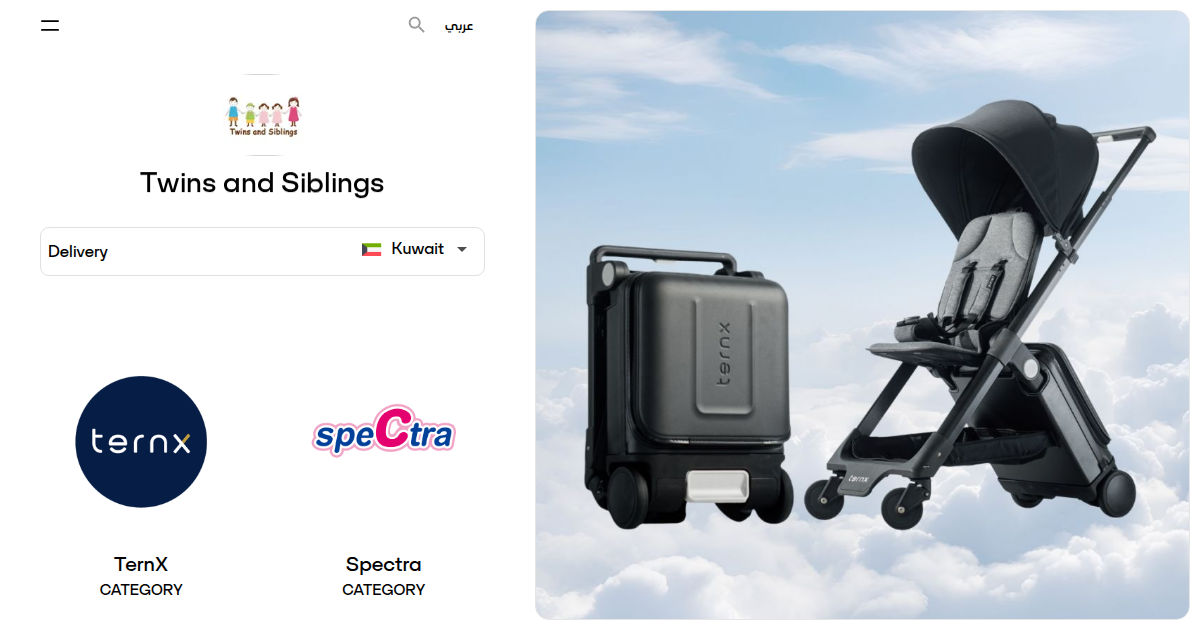
The TernX Carryon Luggage Stroller is designed as a convertible mobility solution that combines luggage and stroller functionality in one compact design. The TernX Carryon Luggage Stroller is especially useful for families who want to reduce the burden of carrying both bags and baby gear separately.
Many travelers now see the TernX Carryon Luggage Stroller as a practical travel companion that makes movement easier and more organized.In simple terms, a convertible luggage stroller is a hybrid product that transforms from a rolling suitcase into a stroller-like seating or transport system.
The TernX Carryon Luggage Stroller is one of the best-known examples of this idea because it merges convenience, portability, and child-friendly design. Instead of juggling a suitcase and a stroller, users can rely on the TernX Carryon Luggage Stroller to handle both roles.
This guide explains what a convertible luggage stroller is used for, how it works, who benefits from it, and why products like the TernX Carryon Luggage Stroller are becoming popular in modern travel.
What Is a Convertible Luggage Stroller Used For?
A convertible luggage stroller is primarily used to simplify travel by combining two essential items: luggage storage and child transport. The TernX Carryon Luggage Stroller is used to carry personal belongings while also serving as a mobility aid for children in busy environments such as airports, train stations, or city streets.
The TernX Carryon Luggage Stroller is used by parents who want to reduce fatigue during travel. Instead of pushing a stroller and pulling a suitcase separately, the TernX Carryon Luggage Stroller merges both functions into a single unit. This helps travelers stay more organized and move faster through crowded spaces.
Another important use of the TernX Carryon Luggage Stroller is convenience during long trips. Families often carry multiple bags, toys, snacks, and baby essentials. The TernX Carryon Luggage Stroller allows them to store items efficiently while still having a safe seating or transport option for a child.
Business travelers who occasionally travel with young children also find the TernX Carryon Luggage Stroller useful. It reduces the need for multiple pieces of equipment, making travel lighter and more manageable.
How a Convertible Luggage Stroller Works
The working mechanism of a convertible luggage stroller is based on transformation and structural flexibility. The TernX Carryon Luggage Stroller uses a foldable frame system that allows it to switch between suitcase mode and stroller mode.
In luggage mode, the TernX Carryon Luggage Stroller looks and functions like a standard carry-on suitcase. It has wheels, a handle, and internal storage compartments. This makes it easy to roll through airports or sidewalks.
When needed, the TernX Carryon Luggage Stroller can be unfolded or expanded into stroller mode. In this mode, it provides a secure seating arrangement for a child. The transformation is designed to be quick, so travelers do not struggle with complicated setups.
The TernX Carryon Luggage Stroller also includes safety locks and reinforced joints to ensure stability during use. These mechanisms prevent accidental folding or collapsing while the stroller is in motion.
Because of its dual functionality, the TernX Carryon Luggage Stroller is especially valuable in environments where space is limited and efficiency matters.
Key Features of a Convertible Luggage Stroller
One of the main reasons travelers choose the TernX Carryon Luggage Stroller is its feature-rich design. It combines storage, comfort, and mobility in one product.
The TernX Carryon Luggage Stroller typically includes durable wheels that glide smoothly across different surfaces. This makes it suitable for airports, pavements, and indoor flooring.
Another feature of the TernX Carryon Luggage Stroller is its ergonomic handle system. The handle is designed for comfortable grip and easy steering, even when the luggage is fully loaded.
Storage capacity is another important feature. The TernX Carryon Luggage Stroller is designed to hold travel essentials such as clothes, diapers, snacks, and electronics while maintaining compact dimensions suitable for carry-on requirements.
Safety is also a priority in the TernX Carryon Luggage Stroller design. It includes secure harness systems and stable framing to ensure children remain safely seated during use.
Travel Scenarios Where It Is Used
The TernX Carryon Luggage Stroller is especially useful in airports. Airports require a lot of walking, waiting, and moving between terminals. The TernX Carryon Luggage Stroller helps reduce physical strain by combining transportation and storage.
During family vacations, the TernX Carryon Luggage Stroller becomes a practical solution for carrying children and luggage together. Parents can move more freely without worrying about multiple items.
City travel is another scenario where the TernX Carryon Luggage Stroller is beneficial. Busy streets, shopping centers, and tourist attractions often require long periods of walking. The TernX Carryon Luggage Stroller allows children to rest while belongings are safely stored.
Even in hotel transitions, the TernX Carryon Luggage Stroller helps travelers move efficiently between rooms, taxis, and lobbies without stress.
Benefits of Using a Convertible Luggage Stroller
The biggest advantage of the TernX Carryon Luggage Stroller is convenience. It reduces the number of items a traveler needs to carry, making movement easier and faster.
Another benefit of the TernX Carryon Luggage Stroller is reduced physical strain. Parents no longer need to push a stroller and pull a suitcase separately. The TernX Carryon Luggage Stroller handles both tasks at once.
Time efficiency is also improved. The TernX Carryon Luggage Stroller allows smoother transitions in airports and travel hubs, reducing delays caused by managing multiple items.
Organization is another key benefit. The TernX Carryon Luggage Stroller provides structured storage, helping travelers keep essentials easily accessible.
Finally, the TernX Carryon Luggage Stroller enhances comfort for children by offering a stable and secure seating option during travel.
Safety and Ergonomics
Safety is a major concern for any travel product designed for children. The TernX Carryon Luggage Stroller is built with reinforced frames and secure locking systems to prevent accidents during use.
The seating area in the TernX Carryon Luggage Stroller is designed to support proper posture and comfort. This helps reduce discomfort during long travel periods.
Ergonomics also play a key role in the design of the TernX Carryon Luggage Stroller. The handle height and wheel movement are optimized for easy control, even in crowded areas.
Parents using the TernX Carryon Luggage Stroller can maintain better posture while walking, reducing strain on their back and arms.
Airport Use and Convenience
Airports are one of the most common environments where the TernX Carryon Luggage Stroller is used. Long queues, security checks, and boarding processes require efficient movement.
The TernX Carryon Luggage Stroller helps families move through security checks without separating luggage and child transport systems. It simplifies the entire airport experience.
Gate waiting becomes easier with the TernX Carryon Luggage Stroller, as children can remain seated comfortably while luggage stays organized.
Because the TernX Carryon Luggage Stroller fits carry-on size requirements, it is designed to meet most airline regulations for cabin baggage.
Who Benefits Most from It?
Families with young children are the primary users of the TernX Carryon Luggage Stroller. It helps them manage both child care and travel logistics efficiently.
Frequent travelers also benefit from the TernX Carryon Luggage Stroller, especially those who prefer compact and multifunctional travel gear.
Solo parents find the TernX Carryon Luggage Stroller particularly helpful because it reduces the need for assistance in managing multiple travel items.
Even grandparents traveling with grandchildren find the TernX Carryon Luggage Stroller useful for maintaining comfort and control during trips.
Buying Guide Considerations
When selecting a convertible luggage stroller, durability is one of the most important factors. The TernX Carryon Luggage Stroller is designed with strong materials that ensure long-term use.
Weight is another consideration. The TernX Carryon Luggage Stroller is designed to remain lightweight while still offering strong structural support.
Storage capacity should also be evaluated. The TernX Carryon Luggage Stroller balances compact design with practical storage space for essentials.
Ease of transformation is another key factor. The TernX Carryon Luggage Stroller is designed for quick switching between luggage and stroller modes.
Maintenance and Care
Proper maintenance ensures long-lasting performance. The TernX Carryon Luggage Stroller should be cleaned regularly to prevent dirt buildup in wheels and joints.
The wheels of the TernX Carryon Luggage Stroller should be checked frequently to ensure smooth movement. Any obstruction should be removed immediately.
The folding mechanism of the TernX Carryon Luggage Stroller should also be inspected to ensure safety locks are functioning properly.
Storing the TernX Carryon Luggage Stroller in a dry environment helps prevent wear and tear over time.
Conclusion
The convertible luggage stroller is a modern solution designed for efficient and stress-free travel. The TernX Carryon Luggage Stroller stands out as a practical example of how innovation can simplify family travel by combining luggage storage and stroller functionality into one compact design. The TernX Carryon Luggage Stroller is used to reduce physical effort, improve organization, and enhance mobility in airports, cities, and travel environments.
For parents, the TernX Carryon Luggage Stroller offers comfort, safety, and convenience. For frequent travelers, the TernX Carryon Luggage Stroller provides a smart way to manage limited space and heavy loads. Its design reflects the growing need for multifunctional travel tools in today’s fast-paced world.
As travel continues to evolve, products like the TernX Carryon Luggage Stroller will likely become even more important. They represent a shift toward smarter, more efficient travel experiences that prioritize comfort, simplicity, and practicality.
What is the cat dream meaning of a black cat?
Cat dream meaning is something that has fascinated people for centuries. Dreams about cats can be mysterious, emotional, and sometimes confusing—especially when they involve many cats at once.
If you’ve ever woken up wondering why your dream was full of cats, you’re not alone. The cat dream meaning often changes depending on how many cats appear, what they are doing, and how you feel during the dream.
In this guide, we’ll explore the deeper cat dream meaning behind seeing multiple cats in your dreams. You’ll learn how psychology, emotions, and cultural beliefs shape these dreams. By the end, you’ll have a clear understanding of what your mind might be trying to tell you.
Cat Dream Meaning
Before we focus on multiple cats, it’s important to understand the general cat dream meaning. Cats are often seen as symbols of independence, curiosity, mystery, and intuition. In dreams, they can represent your inner thoughts or hidden feelings.
The cat dream meaning can also be linked to your personality. For example, dreaming of a calm cat might reflect peace, while an aggressive cat could symbolize stress or conflict. These meanings become more complex when many cats appear together.
Why Do Dreams Feature Many Cats?
When your dream includes many cats, the cat dream meaning becomes layered. Instead of representing one idea, multiple cats often point to a mix of emotions or situations in your life.
Emotional Overload
Seeing many cats can suggest emotional overload. Your mind may be processing several thoughts at once. In this case, the cat dream meaning relates to feeling overwhelmed or distracted.
Multiple Influences
Many cats can symbolize different people or influences around you. The cat dream meaning here may indicate that you are dealing with multiple opinions or pressures in your waking life.
Inner Conflict
Sometimes, the cat dream meaning of many cats reflects inner conflict. Each cat could represent a different side of your personality. Your dream may be showing that you are struggling to make a decision.
Psychological Perspective on Cat Dream Meaning
From a psychological point of view, the cat dream meaning is often tied to your subconscious mind. Dreams are your brain’s way of organizing thoughts and emotions.
Symbol of Independence
Cats are known for their independence. When many appear, the cat dream meaning might suggest a desire for freedom or control in different areas of your life.
Representation of Anxiety
Multiple cats can also represent anxiety. The cat dream meaning in this case points to worries multiplying in your mind. You may be thinking about too many things at once.
Reflection of Social Life
If you interact with many people daily, the cat dream meaning could reflect your social environment. Each cat may symbolize a person or relationship.
Cultural Interpretations of Cat Dream Meaning
Different cultures have unique views on cats, which affects the cat dream meaning.
Eastern Beliefs
In some Eastern cultures, cats are seen as lucky. Dreaming of many cats can have a positive cat dream meaning, suggesting prosperity or protection.
Western Interpretations
In Western traditions, cats are sometimes linked to mystery or secrecy. The cat dream meaning of many cats may point to hidden truths or confusion.
Spiritual Symbolism
Spiritually, the cat dream meaning can relate to intuition. Many cats might indicate that your instincts are trying to guide you in multiple directions.
Common Scenarios and Their Meanings
The details of your dream matter. Let’s look at common situations and their cat dream meaning.
Friendly Cats
If the cats are friendly, the cat dream meaning is usually positive. It may suggest harmony in your relationships.
Aggressive Cats
Aggressive cats can change the cat dream meaning to something negative. This may indicate conflict or stress.
Playing Cats
Dreams with playful cats often have a light cat dream meaning, symbolizing joy or creativity.
Scattered Cats
If cats are scattered everywhere, the cat dream meaning may reflect confusion or lack of focus.
Emotional Context of Cat Dream Meaning
Your feelings during the dream are important in understanding the cat dream meaning.
Feeling Happy
If you feel happy, the cat dream meaning is likely positive. It may represent satisfaction or comfort.
Feeling Scared
Fear changes the cat dream meaning. It might indicate anxiety or uncertainty in your life.
Feeling Confused
Confusion in the dream often matches the cat dream meaning of being overwhelmed in real life.
Symbolism of Numbers in Cat Dream Meaning
The number of cats can also influence the cat dream meaning.
Two or Three Cats
A small number may represent minor decisions or relationships.
Many Cats
A large number strengthens the cat dream meaning of complexity. It suggests multiple issues or emotions.
Endless Cats
If the cats seem endless, the cat dream meaning could point to stress or a feeling that problems won’t stop.
Personal Experiences and Cat Dream Meaning
Your personal life plays a big role in shaping the cat dream meaning.
Pet Owners
If you own cats, your dream may reflect your daily experiences.
Past Memories
Childhood memories with cats can influence the cat dream meaning.
Current Situations
What you are going through right now strongly affects the cat dream meaning.
How to Analyze Your Cat Dream Meaning
Understanding your dream requires reflection.
Step 1: Recall Details
Think about what the cats were doing. This helps clarify the cat dream meaning.
Step 2: Identify Emotions
Your feelings are key to interpreting the cat dream meaning.
Step 3: Connect to Life
Relate the dream to your current situation to understand the cat dream meaning better.
Misconceptions About Cat Dream Meaning
There are many myths about the cat dream meaning.
Not Always Negative
Some people think cats in dreams are bad signs. This is not always true. The cat dream meaning can be positive or negative.
Not Universal
The cat dream meaning is not the same for everyone. It depends on personal experiences.
Practical Tips for Understanding Dreams
To better understand the cat dream meaning, you can follow simple habits.
Keep a Dream Journal
Writing down your dreams helps you track patterns in the cat dream meaning.
Reflect Daily
Thinking about your emotions can make the cat dream meaning clearer.
Stay Calm
Don’t overthink. The cat dream meaning is a guide, not a prediction.
Conclusion
The cat dream meaning becomes more complex when many cats appear in your dreams. Instead of representing a single idea, these dreams often reflect multiple emotions, influences, or challenges in your life. Whether the cats are friendly, aggressive, or simply present, each detail adds to the overall message.
Understanding the cat dream meaning requires looking at your feelings, your experiences, and your current situation. Dreams about many cats often point to emotional overload, social complexity, or inner conflict. However, they can also symbolize creativity, intuition, and growth.
In the end, the cat dream meaning is deeply personal. By paying attention to your dreams and reflecting on their details, you can gain valuable insights into your thoughts and emotions. Instead of feeling confused, you can use these dreams as a tool for self-understanding and improvement.
Dreams are not random—they are messages from your mind. And when many cats appear, the cat dream meaning is inviting you to look deeper into your life, your feelings, and your choices.