
A qr code generator can create URL QR codes quickly and easily, allowing users to turn website links into scannable codes that can be accessed through smartphones. URL QR codes have become one of the most common uses of QR technology because they provide a simple way to connect offline materials with online content.
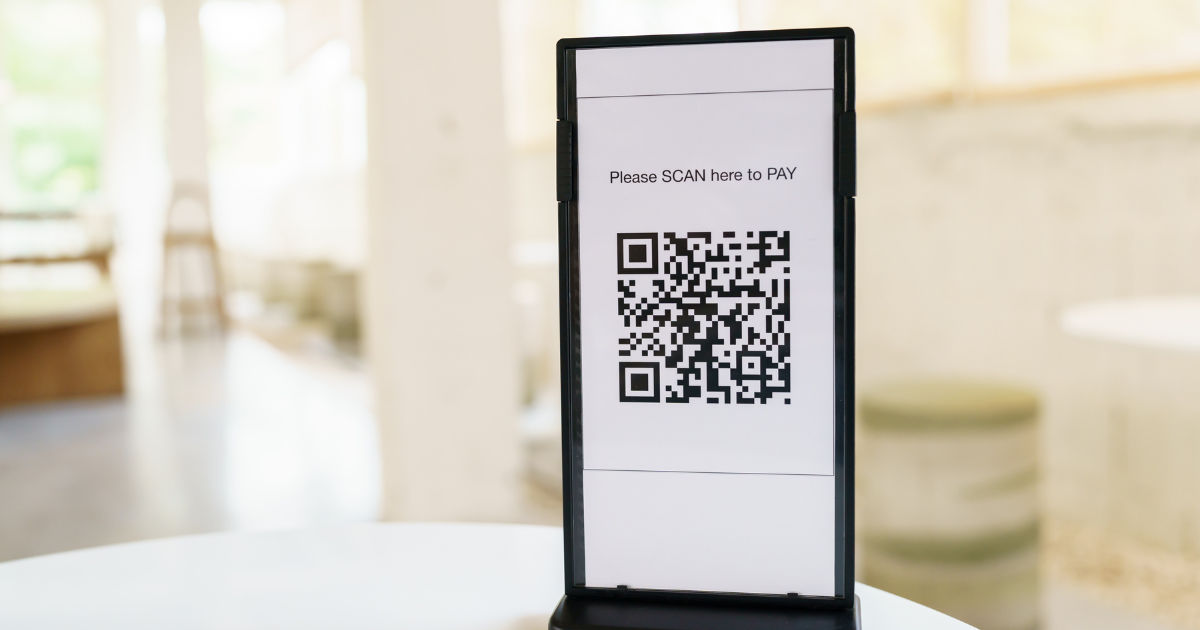
Businesses, marketers, educators, and everyday users use these codes created with a qr code generator to share websites, landing pages, product pages, social media profiles, and digital resources. QR codes remove the need for people to manually type long web addresses into their browsers. Instead, they can simply scan a small square pattern using their phone camera and instantly open the linked webpage.
This convenience has made URL QR codes popular across many industries, from retail and restaurants to education and event management.Understanding how URL QR codes work, how they are created, and how to use them effectively can help individuals and businesses make better use of this technology.
What Is a URL QR Code?
A URL QR code is a type of Quick Response code that stores website information. When someone scans the code with a smartphone, the stored URL is read by the device and converted into a clickable link.
For example, a website address such as:
can be transformed into a QR code pattern. Anyone who scans that pattern can immediately visit the website without typing the address manually.
URL QR codes are commonly used for:
- Business websites
- Online stores
- Digital menus
- Social media pages
- Registration forms
- Promotional campaigns
- Download pages
- Contact information pages
The main purpose of a URL QR code is to make accessing digital content faster and more convenient.
How Does a QR Code Generator Create URL QR Codes?
A qr code generator creates URL QR codes by converting website addresses into a machine-readable pattern. The process involves encoding the URL information into small black-and-white squares called modules.
The basic process usually follows these steps:
Enter the Website URL
The first step is entering the website address into the QR code creation tool. Users simply copy their desired URL and paste it into the generator.
The URL can be almost any web address, including:
- Homepage links
- Product pages
- Blog articles
- Online forms
- Video pages
- Social media profiles
The generator analyzes the URL and prepares it for conversion.
Convert the URL Into QR Data
After receiving the URL, the system converts the information into a specific data format that QR scanners can understand.
A QR code does not store a visual image of the website. Instead, it stores encoded information that tells the scanning device where to go.
When scanned, the smartphone reads the encoded data and recognizes it as a web address.
Generate the QR Code Pattern
The generator then creates the unique QR code design. The pattern consists of different squares arranged in a specific way.
Each QR code includes important elements such as:
- Position markers for scanning direction
- Data areas containing information
- Error correction areas
- Timing patterns
These elements allow smartphones to correctly read the code even if it is slightly damaged or unclear.
Download and Share the QR Code
Once created, users can download the QR code image and place it wherever needed.
Common placement options include:
- Product packaging
- Flyers
- Posters
- Business cards
- Restaurant tables
- Advertisements
- Digital presentations
The QR code becomes a bridge between physical materials and online content.
Are URL QR Codes Different From Regular QR Codes?
URL QR codes are one category of QR codes, but QR technology can store different types of information.
A QR code can contain:
- Website URLs
- Text messages
- Phone numbers
- Email addresses
- Wi-Fi login details
- Calendar events
- Location information
A URL QR code specifically focuses on directing users to websites.
For example, a restaurant may create a QR code that opens an online menu. A clothing company may create one that directs customers to a new collection page.
The difference is not in the appearance of the code but in the type of information stored inside it.
What Are the Benefits of Creating URL QR Codes?
URL QR codes provide several advantages for businesses and individuals.
Faster Access to Websites
One of the biggest benefits is speed. Users do not need to search for a website or type a complicated URL.
A simple scan provides immediate access.
This is especially useful when website addresses are long or difficult to remember.
Better User Experience
People prefer simple interactions. A QR code reduces the number of steps needed to reach online information.
Instead of:
- Opening a browser
- Typing a URL
- Checking spelling
- Waiting for the page
Users can:
- Scan the code
- Open the link
This creates a smoother experience.
Useful Marketing Tool
Businesses often use URL QR codes in advertising campaigns.
A printed advertisement can include a QR code that leads customers to:
- Special offers
- Discount pages
- Product details
- Customer reviews
- Signup forms
This helps companies connect traditional marketing with digital platforms.
Easy Information Sharing
Sharing a website link through a QR code is convenient during meetings, events, and presentations.
Instead of asking people to remember a website address, users can scan and save the information instantly.
Static vs Dynamic URL QR Codes
When creating URL QR codes, users often have two main options: static and dynamic QR codes.
Static URL QR Codes
Static QR codes contain fixed information. Once created, the URL cannot be changed.
For example, if a QR code links to a specific webpage, that destination remains permanent.
Advantages include:
- Simple creation process
- No ongoing management required
- Usually free to create
However, if the URL changes later, a new QR code must be created.
Dynamic URL QR Codes
Dynamic QR codes allow users to update the destination link without changing the printed QR code.
For example, a restaurant can use one QR code on tables and update the menu link whenever needed.
Benefits include:
- Editable links
- Tracking features
- Analytics information
- Better campaign management
Dynamic codes are often preferred by businesses that regularly update their content.
Can Any Website URL Be Turned Into a QR Code?
In most cases, almost any valid website URL can be converted into a QR code.
Examples include:
- Company websites
- Online shops
- News articles
- Portfolio pages
- Social media profiles
- Online booking pages
However, users should make sure the website works properly before creating the QR code.
A QR code will only direct users to the URL provided. If the website is broken, outdated, or unavailable, the QR code will not solve the problem.
How to Make an Effective URL QR Code
Creating a QR code is simple, but using it effectively requires some planning.
Use a Short and Reliable URL
Shorter URLs usually create simpler QR codes that are easier to scan.
Long URLs contain more information, which can create more complex patterns.
Using a clean and reliable web address improves scanning performance.
Test Before Publishing
Always test a QR code before printing or sharing it.
A good testing process includes:
- Scanning with multiple smartphones
- Checking the link destination
- Testing under different lighting conditions
- Confirming that the website loads correctly
This prevents users from receiving broken links.
Choose Proper Size and Placement
A QR code needs enough space to be scanned properly.
Avoid placing it:
- Too close to other designs
- On curved surfaces
- In areas with poor visibility
The code should remain clear and easy to access.
Add Instructions for Users
Some people may not know how to scan QR codes.
Adding a simple message such as “Scan to visit our website” can encourage more people to use it.
Are URL QR Codes Safe?
URL QR codes are generally safe when used correctly, but users should still be careful.
A QR code can direct someone to any website, including harmful websites created by scammers.
Before scanning unknown QR codes:
- Check the source
- Avoid suspicious advertisements
- Review the website address before opening
- Do not enter sensitive information on unfamiliar pages
Businesses should also ensure their QR codes lead to secure websites using HTTPS.
Common Uses of URL QR Codes
URL QR codes are used in many real-world situations.
Retail and Product Packaging
Companies place QR codes on products to provide:
- User manuals
- Product information
- Warranty registration
- Instruction videos
Restaurants
Restaurants use QR codes for:
- Digital menus
- Online ordering
- Customer feedback forms
Education
Schools and teachers use QR codes to share:
- Learning resources
- Online assignments
- Educational videos
Events
Event organizers use QR codes for:
- Ticket pages
- Registration forms
- Event schedules
Business Cards
Professionals can add QR codes to business cards that link to:
- Personal websites
- LinkedIn profiles
- Digital portfolios
What Features Should a Good QR Code Generator Have?
A quality qr code generator should provide useful features that make creating and managing QR codes easier.
Important features include:
Multiple QR Code Types
The tool should support different formats, including URL QR codes, text codes, contact codes, and Wi-Fi codes.
Custom Design Options
Some generators allow users to customize:
- Colors
- Logos
- Shapes
- Branding elements
Customization helps businesses create recognizable codes.
High-Quality Downloads
The QR code should be available in formats suitable for printing, such as PNG, SVG, or PDF.
Low-quality images may become difficult to scan.
Security and Privacy
A trustworthy generator should protect user information and clearly explain how data is handled.
Frequently Asked Questions
Can a QR code generator create URL QR codes for free?
Yes, many tools allow users to create basic URL QR codes without paying. Free options usually provide simple QR code creation features.
Do URL QR codes expire?
Static URL QR codes generally do not expire. They continue working as long as the linked website remains available. Dynamic QR codes may depend on the service provider.
Can I edit a URL after creating a QR code?
It depends on the type of QR code. Static codes cannot usually be changed, while dynamic QR codes can often be edited.
Do users need a special app to scan URL QR codes?
Most modern smartphones can scan QR codes directly using the built-in camera application.
Can QR codes be printed on marketing materials?
Yes, URL QR codes are commonly printed on posters, brochures, packaging, and advertisements.
Conclusion
A qr code generator can easily create URL QR codes by converting website addresses into scannable digital patterns. These codes provide a simple and effective way to connect physical materials with online information.
From businesses sharing product pages to individuals promoting personal websites, URL QR codes make digital access faster and more convenient. They reduce the need for manual typing, improve user experience, and provide a practical solution for modern communication.
When creating URL QR codes, users should focus on choosing reliable links, testing the code before sharing, and selecting the right type of QR code for their needs. Static codes work well for permanent links, while dynamic codes offer more flexibility for changing campaigns.
As smartphones continue to become a central part of everyday life, QR codes remain a valuable tool for connecting people with digital content. Whether used for marketing, education, customer service, or personal projects, URL QR codes provide an efficient way to share information with just one quick scan.