
Garage doors are a major part of home security, convenience, and curb appeal. When a new garage door is installed, homeowners naturally want to know what happens if something goes wrong after the installation. One of the most important questions to ask before hiring a contractor is whether the work and materials are covered by a warranty.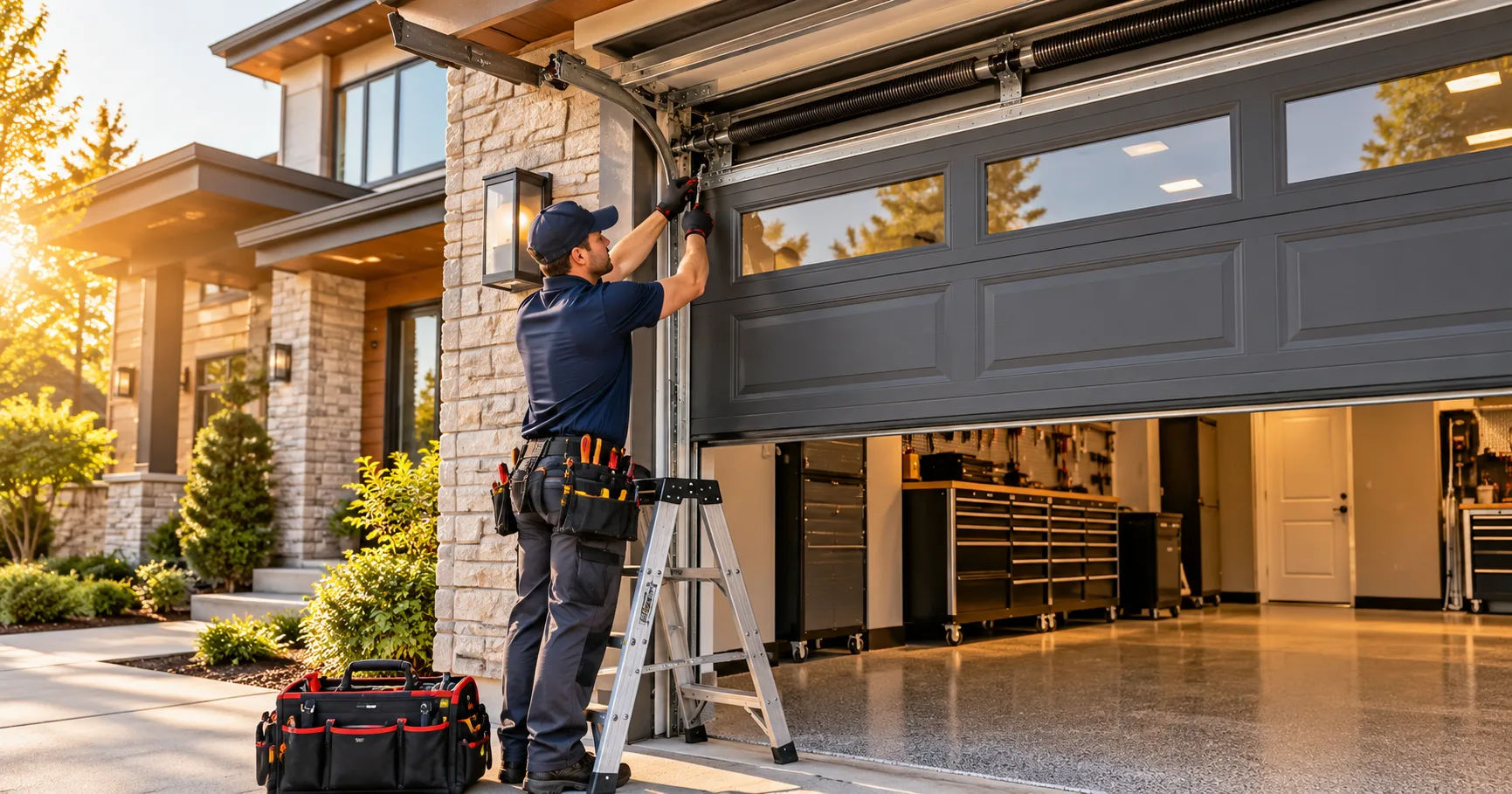
For homeowners considering Residential Garage Door Installation in Surprise AZ, warranty coverage can provide valuable peace of mind. However, warranties are not always the same from one company or manufacturer to another. Some cover the door itself, while others cover springs, openers, hardware, or installation labor.
Understanding what a garage door warranty includes can help you avoid unexpected repair costs later. It also makes it easier to compare installation companies and choose a service that offers reliable long-term value.
Do Residential Garage Door Installations Usually Have a Warranty?
Yes, many garage door installations come with some form of warranty. However, the exact coverage depends on the installer, garage door manufacturer, product type, and components included in the installation.
A warranty is essentially a promise that certain products or services will perform as expected for a specified period. If a covered defect occurs during that period, the company may repair or replace the affected component.
When arranging Residential Garage Door Installation in Surprise AZ, homeowners should ask for the warranty details in writing rather than assuming every part is automatically covered.
A warranty may include separate coverage periods for different components. For example, the garage door panels might have a longer manufacturer's warranty, while labor could have a shorter warranty provided by the installation company.
What Does a Garage Door Warranty Usually Cover?
Garage door warranties can cover several different areas. Knowing what each category means is important because a warranty on the door does not necessarily mean that every part of the garage door system is covered.
Door Panels
The panels are one of the most visible and important parts of a garage door. Depending on the manufacturer, they may be protected against defects in materials or workmanship.
Some manufacturers offer longer coverage for steel or insulated panels. The warranty may protect against problems such as premature deterioration, manufacturing defects, or structural issues.
The exact terms depend on the manufacturer and product line.
Springs
Garage door springs carry significant tension and help lift and lower the door. Because they experience repeated movement, they can eventually wear out.
Some installers offer separate warranties for springs. Others provide limited coverage based on the type and expected cycle life of the spring.
When comparing Residential Garage Door Installation in Surprise AZ services, ask whether springs are covered and for how long.
Hardware
Garage doors include many smaller components, including rollers, hinges, brackets, cables, tracks, and fasteners.
Warranty coverage for these components varies considerably. Some installation companies provide limited labor or parts coverage, while certain manufacturers only cover specific components.
It is worth asking exactly which hardware is included before signing a contract.
Garage Door Openers
If the installation includes a new automatic garage door opener, it may have its own manufacturer's warranty.
The opener warranty can be separate from the warranty covering the garage door itself. It may cover the motor, electronic components, rail system, or other parts for different periods.
Homeowners should keep the opener model and warranty information in a safe place.
Installation Labor
One of the most important questions to ask is whether the installation labor is covered.
A manufacturer's warranty generally focuses on the product. It may not cover mistakes made during installation. An installer may therefore provide a separate labor warranty.
For Residential Garage Door Installation in Surprise AZ, labor coverage can be especially useful because installation quality directly affects how smoothly and safely a garage door operates.
Why Installation Warranty Matters
A high-quality garage door can still develop problems if it is installed incorrectly.
The tracks must be properly aligned, the springs must be correctly adjusted, the opener must be installed according to specifications, and the door must be balanced properly.
If an installation-related issue appears shortly after the work is completed, a labor warranty can prevent the homeowner from paying another service fee.
For example, suppose a newly installed garage door begins rubbing against the track because a component was improperly positioned. If the installer provides labor coverage, the company may correct the issue without charging for the additional work.
This is one reason warranty terms should be considered alongside the installation price.
How Long Does a Garage Door Warranty Last?
There is no single warranty period that applies to every garage door installation.
Different components can have different coverage periods. A manufacturer might provide several years of coverage for certain door components, while another product could have a longer or shorter warranty.
Installation labor may also have a different coverage period.
Some warranties are limited, meaning they only apply to specific defects or components. Others may provide broader protection under certain conditions.
When arranging Residential Garage Door Installation in Surprise AZ, ask the installer to explain the warranty period for each major component.
A useful warranty discussion should cover:
-
Door panels
-
Springs
-
Rollers
-
Cables
-
Hinges
-
Tracks
-
Garage door opener
-
Installation labor
-
Replacement parts
Getting these details in writing makes the agreement easier to understand later.
Manufacturer Warranty vs. Installer Warranty
One common source of confusion is the difference between a manufacturer warranty and an installer warranty.
A manufacturer warranty is provided by the company that made the garage door or component. It generally protects against manufacturing defects according to the manufacturer's terms.
An installer warranty comes from the company that performs the installation. It may cover workmanship, installation-related problems, or certain service issues.
These warranties can work together, but they are not necessarily interchangeable.
For example, if a garage door panel has a manufacturing defect, the manufacturer's warranty may apply. If the door was installed incorrectly, the installation company's labor warranty may be more relevant.
Understanding this distinction can make the warranty process much easier if a problem occurs.
Are Garage Door Warranties Transferable?
Some warranties are transferable, while others are limited to the original purchaser.
This can become important if you sell your home.
A transferable warranty may add value for a future homeowner because they can potentially receive continued coverage. However, transfer rules often include conditions, deadlines, or registration requirements.
If you plan to sell your property in the future, ask whether the warranty can be transferred and whether there is an administrative fee.
Homeowners researching Residential Garage Door Installation in Surprise AZ should also keep copies of their purchase agreement, warranty documentation, receipts, and installation records.
What Can Void a Garage Door Warranty?
A warranty does not necessarily cover every type of damage.
Certain actions or circumstances may cause a warranty to become invalid. The specific exclusions depend on the warranty terms, but common examples can include improper maintenance, unauthorized modifications, accidental damage, misuse, or repairs performed by an unapproved party.
Normal wear and tear may also be excluded.
For instance, a garage door spring eventually reaching the end of its expected cycle life may not qualify as a manufacturing defect.
Weather-related damage can also have specific limitations depending on the product and warranty.
Before choosing Residential Garage Door Installation in Surprise AZ, ask the installer to identify the major warranty exclusions.
Does Regular Maintenance Affect Warranty Coverage?
Maintenance requirements can vary, but regular care is generally important for keeping a garage door operating safely.
Homeowners should periodically inspect visible components, keep tracks clear of debris, and pay attention to unusual sounds or changes in operation.
Professional maintenance can also help identify problems before they become expensive failures.
If the warranty requires certain maintenance procedures, failing to follow those requirements could potentially affect coverage.
This does not mean homeowners should attempt complicated spring or cable repairs themselves. Garage door springs and other components can store substantial energy and should be handled by trained professionals.
What Should You Ask Before Installation?
Before hiring an installation company, ask direct questions about warranty coverage.
A reputable contractor should be able to explain what is covered, how long coverage lasts, and what steps are required to make a claim.
Ask whether the warranty covers both parts and labor. Also ask who is responsible for handling manufacturer claims.
For Residential Garage Door Installation in Surprise AZ, it is useful to ask whether the company provides written warranty documentation after installation.
Other important questions include:
-
What is the warranty period?
-
Which components are covered?
-
Is labor included?
-
Is the garage door opener covered separately?
-
Are springs covered?
-
What situations are excluded?
-
Is the warranty transferable?
-
How do I submit a warranty claim?
-
Is proof of maintenance required?
-
Who pays for replacement parts?
-
Are service visits covered?
Clear answers can help prevent misunderstandings.
Why Written Warranty Terms Are Important
Verbal promises can be difficult to prove or interpret later.
A written warranty provides a clear record of what the contractor and manufacturer agreed to provide.
The document should identify the covered products, warranty duration, exclusions, claim procedures, and any maintenance obligations.
Homeowners should read the warranty before installation whenever possible.
If a contractor says, "Everything is covered," that statement is not enough. Ask what "everything" means and request the specific terms in writing.
A clear warranty can be a sign that an installation company takes customer service seriously.
What Happens When You Need a Warranty Claim?
If a problem develops, contact the installer or manufacturer as soon as possible.
Describe the problem clearly and provide relevant information, such as the installation date, product model, and invoice number.
Photos or videos may also help demonstrate the issue.
Do not immediately hire another company to replace a component if the issue might be covered by the original warranty. Unauthorized repairs could potentially complicate the claim.
Instead, ask the original installer what procedure you should follow.
For homeowners who chose Residential Garage Door Installation in Surprise AZ, keeping the original paperwork can make this process faster and easier.
How to Compare Garage Door Installation Companies
Warranty coverage should be one factor in your decision, but it should not be the only one.
A contractor offering an unusually long warranty is not automatically the best choice. The company's reputation, installation experience, product quality, licensing or insurance where applicable, customer service, and pricing should also be considered.
Look for an installer that clearly explains the products being used and provides a detailed written estimate.
The estimate should ideally identify the garage door, opener if included, hardware, installation labor, removal of an existing door if applicable, and other charges.
When evaluating Residential Garage Door Installation in Surprise AZ, compare the entire service package rather than simply choosing the lowest quote.
Does a Warranty Mean Repairs Are Always Free?
No. A warranty generally applies only to covered situations.
If a component fails because of a manufacturing defect during the warranty period, the manufacturer may repair or replace it according to its terms.
If the problem results from an accident, misuse, unauthorized modification, or normal wear and tear, the warranty may not apply.
Labor coverage can also have separate conditions.
For this reason, homeowners should avoid assuming that every future garage door repair will be free simply because the door has a warranty.
Understanding the limitations beforehand can help with budgeting and expectations.
Why Local Installation Knowledge Can Matter
Local conditions can influence how homeowners use and maintain their garage doors.
In Surprise, Arizona, homes experience a hot, dry climate, and garage doors can be exposed to intense sunlight and seasonal weather conditions. Choosing products appropriate for the property and having them installed correctly can help support long-term performance.
A knowledgeable local installer can explain product choices, maintenance needs, and warranty requirements.
This can be particularly helpful when selecting insulated doors, weather-resistant components, or automatic openers.
How Homeowners Can Protect Their Warranty
After completing Residential Garage Door Installation in Surprise AZ, homeowners should keep all relevant documents.
Store the installation invoice, warranty certificates, product manuals, and maintenance records together.
Register products with the manufacturer when required.
Follow the manufacturer's maintenance recommendations and avoid unauthorized modifications.
If the garage door begins behaving unusually, address the issue promptly instead of continuing to operate a potentially damaged system.
Most importantly, do not attempt to adjust high-tension springs or other dangerous components without appropriate professional training.
Conclusion
Yes, many residential garage door installations come with warranties, but the coverage is rarely identical across all companies and products. A garage door may have a manufacturer's warranty, while installation labor, springs, openers, or hardware may have separate coverage.
For homeowners considering Residential Garage Door Installation in Surprise AZ, the best approach is to ask detailed warranty questions before approving the project. Find out exactly what is covered, how long the coverage lasts, what exclusions apply, whether labor is included, and how warranty claims are handled.
A strong warranty can provide useful protection, but it should be viewed as one part of a larger purchasing decision. Quality products, professional installation, proper maintenance, and responsive customer service are equally important.
The smartest choice is not necessarily the contractor offering the longest warranty. Instead, look for a reputable installation company that provides clear written terms, uses dependable products, performs careful installation, and explains its responsibilities honestly.
By understanding the difference between manufacturer and installer warranties and keeping all relevant documentation, homeowners can make better decisions and reduce the risk of unexpected expenses. A properly installed garage door backed by clear warranty protection can provide convenience, security, and dependable performance for years to come.