
Renovation projects can breathe new life into an old home, but one of the most critical yet often overlooked aspects is wiring for renovation.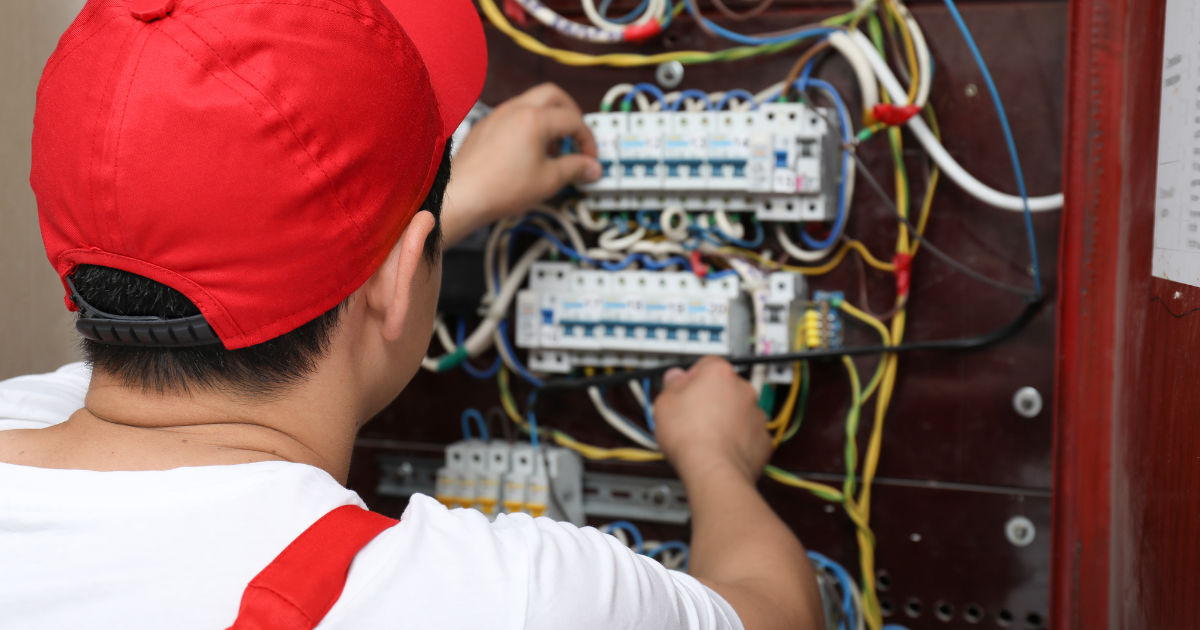
Whether you are remodeling a single room or a complete house, planning electrical systems in advance can save time, money, and potential hazards.
Poor wiring can lead to electrical failures, safety issues, and increased costs.
This step-by-step guide from PowerLink Co Pakistan helps plan new wiring for renovation projects, covering everything from basic electrical concepts to implementing a safe and efficient wiring system.
Understanding the Importance of Wiring in Renovation Projects
Electrical wiring is the backbone of any home or commercial renovation project. It ensures that every device, from lights to appliances, receives the right amount of power. During renovations, updating or adding new wiring is not just about convenience—it’s about safety, compliance with modern standards, and future-proofing your property.
When planning wiring for renovation, it’s essential to consider current needs, anticipate future requirements, and follow electrical codes. Old homes may have outdated wiring that cannot support modern appliances, which can lead to frequent tripping of circuit breakers or even fire hazards.
Assessing Your Electrical Needs
Before you start installing new wiring, conduct a thorough assessment of your electrical needs. Consider the following:
-
Appliance requirements: List all electrical devices you plan to use, including large appliances like ovens, refrigerators, and HVAC systems.
-
Lighting: Decide on the number of lights per room, their placement, and whether you want smart lighting options.
-
Power outlets: Modern homes require multiple outlets for convenience. Consider adding extra outlets in high-use areas like kitchens, living rooms, and offices.
-
Special requirements: Think about home offices, security systems, or home theaters that may need dedicated circuits.
By assessing your electrical needs, you can determine the type and number of circuits required, which will be crucial for planning wiring for renovation effectively.
Understanding Electrical Circuits and Load
Electrical circuits are the pathways through which electricity flows in your home. When planning wiring for renovation, it’s crucial to understand the concepts of circuit load and capacity.
-
Circuit load: This refers to the amount of electricity a circuit can safely carry. Exceeding the load can cause overheating and potential fires.
-
Circuit types: Typical circuits include lighting circuits, general-purpose outlets, and dedicated circuits for high-power appliances.
-
Distribution panel: All circuits connect to a central breaker panel. During renovation, upgrading the panel may be necessary to accommodate additional circuits.
Calculating the load for each circuit helps prevent overloading and ensures safety.
Planning the Wiring Layout
A well-designed wiring layout is vital for a successful renovation project. Here’s how to approach it:
Map Out the Rooms
Start by creating a floor plan of your home or the renovated area. Mark locations for outlets, switches, lighting fixtures, and appliances. Visual mapping helps avoid last-minute adjustments and ensures adequate coverage for every room.
Identify Circuit Paths
Determine the paths through which wires will run. Common pathways include:
-
Inside walls: Wires can be hidden inside drywall or plaster.
-
Under floors: Useful for basements or raised floor systems.
-
Above ceilings: Ideal for overhead lighting or smart home devices.
Keep in mind that shorter paths are usually more efficient and cost-effective.
Consider Wire Type and Gauge
Selecting the right type of wire is critical. Common types include:
-
Copper wires: Most residential wiring uses copper because of its durability and conductivity.
-
Aluminum wires: Less common, usually in older homes; requires careful handling.
Wire gauge determines how much current the wire can safely carry. Larger appliances need thicker wires to prevent overheating.
Safety Considerations in Wiring Renovation
Electrical work can be dangerous if not done correctly. Prioritize safety by following these steps:
-
Turn off power: Always shut off electricity at the main breaker before working on wiring.
-
Use protective gear: Gloves, goggles, and insulated tools are essential.
-
Follow codes: Ensure all work complies with local electrical codes and standards.
-
Hire a professional: For complex wiring, consider a licensed electrician to avoid accidents and legal issues.
Safety should never be compromised, especially in renovation projects where old wiring might be fragile or damaged.
Upgrading Old Wiring
Renovations often involve upgrading outdated electrical systems. Some common upgrades include:
-
Replacing knob-and-tube wiring: Old homes may have unsafe knob-and-tube wiring that cannot handle modern loads.
-
Upgrading panels: An old breaker panel might need replacement to accommodate new circuits.
-
Adding ground wires: Older homes may lack proper grounding, which is essential for safety and modern appliances.
Upgrading ensures your renovation meets current safety standards and supports modern electrical demands.
Planning for Smart Home Integration
Modern renovations often include smart home technology. When planning wiring for renovation, consider:
-
Dedicated circuits: Smart devices like security cameras, smart thermostats, and automated lighting may require their own circuits.
-
Data cabling: Ethernet cables or fiber-optic lines might be necessary for stable internet connections.
-
Power redundancy: Ensure critical devices have backup power sources or surge protection.
Integrating smart home technology from the start avoids costly retrofits later.
Choosing the Right Electrical Fixtures and Devices
Your renovation is also an opportunity to select energy-efficient and aesthetically pleasing electrical fixtures:
-
Lighting: LED lights are energy-efficient and long-lasting. Consider dimmers for adjustable brightness.
-
Switches: Rocker switches, smart switches, or motion sensors add convenience and modern appeal.
-
Outlets: USB-integrated outlets are increasingly popular for charging devices directly.
Choosing the right devices complements the overall functionality and design of your renovated space.
Wiring Installation Tips
Installing wiring requires precision and careful planning. Here are some practical tips:
-
Label circuits: Clearly label all wires and circuits for easy identification and troubleshooting.
-
Avoid overcrowding: Do not overload electrical boxes with too many wires; this can cause overheating.
-
Use proper connectors: Secure connections with approved wire nuts or terminals.
-
Test as you go: Use a multimeter to check connections before closing walls or ceilings.
Following these tips reduces errors and ensures a safe, reliable electrical system.
Energy Efficiency and Sustainability
Modern renovation projects often emphasize sustainability. Efficient wiring for renovation can help reduce energy consumption:
-
LED lighting: Consumes less energy than traditional bulbs.
-
Energy-efficient appliances: Choose appliances with high energy ratings to reduce load.
-
Smart meters: Monitor energy usage and identify areas for savings.
-
Timers and sensors: Reduce energy waste by automatically controlling lighting and devices.
Incorporating energy-efficient solutions adds value to your home while reducing environmental impact.
Common Mistakes to Avoid
Many renovation projects encounter setbacks due to electrical mistakes. Avoid these pitfalls:
-
Skipping planning: Without a detailed layout, wiring can be misplaced or inadequate.
-
Ignoring code requirements: Non-compliance can lead to fines and unsafe conditions.
-
Using wrong wire gauge: This can cause overheating and damage to devices.
-
Overloading circuits: Connecting too many devices to a single circuit is dangerous.
-
DIY without expertise: Complex wiring is best handled by professionals.
Being aware of these mistakes helps ensure a smooth renovation process.
Hiring Professional Electricians
While DIY wiring might seem cost-effective, hiring a licensed electrician has multiple benefits:
-
Expertise: Professionals understand local codes, load calculations, and safe installation methods.
-
Time-saving: Skilled electricians complete work efficiently and correctly.
-
Warranty and insurance: Licensed electricians provide warranties for their work and are insured against accidents.
-
Problem-solving: They can identify hidden issues, such as faulty wiring or potential fire hazards.
Even small renovation projects benefit from professional oversight to ensure safety and compliance.
Final Steps Before Completion
Before closing walls and finalizing renovations:
-
Inspect all wiring: Conduct thorough testing of circuits and outlets.
-
Document changes: Keep a record of all wiring locations and circuits for future reference.
-
Install protective covers: Use outlet and switch covers to prevent accidental contact.
-
Coordinate with inspectors: Local authorities may require electrical inspections before final approval.
These final steps guarantee your renovation is safe, functional, and up to code.
Conclusion
Planning wiring for renovation is a critical aspect of any remodeling project. Proper assessment, layout planning, safety precautions, and professional input ensure that your new or upgraded electrical system is safe, efficient, and future-proof. From upgrading old wiring to integrating smart home technology and energy-efficient solutions, careful planning can prevent costly mistakes and enhance the comfort and functionality of your home. Whether you are renovating a small room or an entire house, prioritizing electrical planning will ensure your project is both successful and safe.
Renovation is more than aesthetics; it is about creating a space that works for you now and in the future. By following this comprehensive guide, homeowners can confidently approach wiring for renovation projects, knowing they have taken all necessary steps for safety, efficiency, and longevity.