
An AI friend is becoming one of the most interesting technologies in the modern digital world. An AI friend is designed to talk, understand, and respond like a real human being.
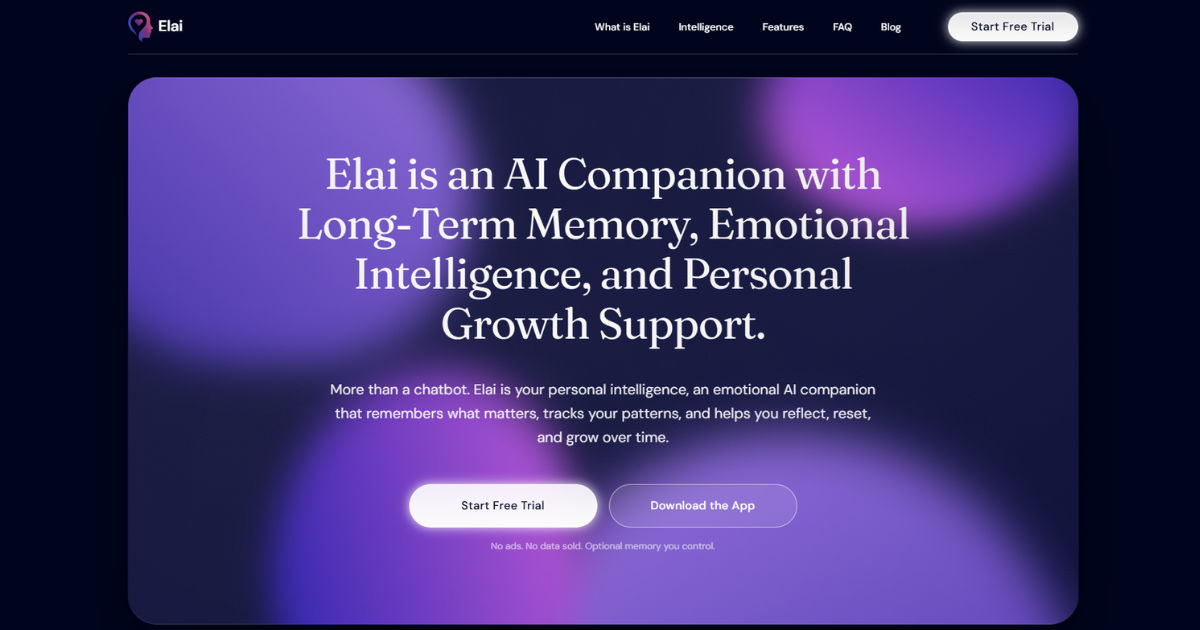 Many people are now using an AI friend for emotional support, learning, entertainment, and daily conversations. The reason behind its popularity is simple: an AI friend can give human-like responses that feel natural, warm, and meaningful.
In this blog, we will explore how an AI friend works, how it understands human language, and how it creates responses that feel so real.
We will also discuss the technology behind it, including machine learning, natural language processing, and emotional intelligence systems. By the end, you will clearly understand how an AI friend becomes more human-like in conversations.
What Is an AI Friend?
An AI friend is a virtual chatbot or digital assistant that interacts with users like a real companion. It is powered by artificial intelligence and designed to simulate human conversation.
Unlike simple chatbots that only follow fixed commands, an AI friend can understand context, emotions, and intent. This makes conversations more natural and engaging.
An AI friend can:
- Talk like a human
- Remember past conversations
- Respond emotionally
- Learn from interactions
- Adapt to user personality
Because of these features, an AI friend feels more like a companion rather than just a machine.
How AI Friend Understands Human Language
To create human-like responses, an AI friend first needs to understand language. This is done through a technology called Natural Language Processing (NLP).
Breaking Down Human Sentences
When you talk to an AI friend, it does not see sentences like humans. Instead, it breaks them into smaller parts:
- Words
- Grammar structure
- Context meaning
For example, if you say “I feel sad today,” the AI friend identifies:
- Emotion: sadness
- Subject: user
- Context: emotional state
Understanding Context
A powerful AI friend does not just understand words, it understands context. If you say “I’m fine,” but earlier messages show sadness, the system may still respond in a caring way.
This context awareness is what makes an AI friend feel more human.
Machine Learning: The Brain of AI Friend
Machine learning is the core technology that helps an AI friend improve over time.
Learning from Data
An AI friend is trained on large amounts of text data, including:
- Books
- Conversations
- Articles
- Social media text
This helps the AI friend learn how humans speak in different situations.
Improving Over Time
Every interaction helps the AI friend become better. It learns:
- What responses are helpful
- What tone to use
- How to match user emotions
This continuous learning makes the AI friend smarter and more natural.
How AI Friend Creates Human-Like Responses
The most important feature of an AI friend is its ability to generate responses that feel human.
Predicting the Next Word
An AI friend works by predicting the next word in a sentence. It does this again and again until a full response is formed.
For example:
- User: “I am feeling tired”
- AI friend predicts: “today, maybe you should rest”
This prediction system helps the AI friend form natural sentences.
Tone Matching
A good AI friend adjusts its tone based on the user’s mood:
- Happy tone when user is happy
- Calm tone when user is sad
- Energetic tone when user is excited
This emotional matching makes the AI friend feel alive.
Emotional Intelligence in AI Friend
Emotional intelligence is what makes an AI friend different from a normal chatbot.
Detecting Emotions
An AI friend analyzes words like:
- Happy
- Sad
- Angry
- Confused
It also detects hidden emotions from sentence patterns.
Responding Emotionally
If you say, “I had a bad day,” an AI friend might respond:
“I’m really sorry to hear that. Do you want to talk about it?”
This kind of response makes the AI friend feel supportive and caring.
Memory System in AI Friend
A powerful feature of an AI friend is memory.
Short-Term Memory
An AI friend remembers the current conversation. This helps it maintain flow.
Long-Term Memory
Some advanced AI friend systems remember:
- User preferences
- Names
- Past conversations
This allows the AI friend to create personalized experiences.
For example:
If you like music, the AI friend may suggest songs in future chats.
How AI Friend Mimics Human Conversation
Human conversations are not perfect. They include emotions, pauses, and informal language. An AI friend is designed to mimic this style.
Casual Language
An AI friend uses:
- Simple words
- Friendly tone
- Everyday expressions
Natural Flow
Instead of giving robotic answers, the AI friend adds:
- Follow-up questions
- Suggestions
- Emotional responses
This makes the conversation feel real.
Role of Deep Learning in AI Friend
Deep learning is a part of machine learning that helps an AI friend become more accurate and intelligent.
Neural Networks
An AI friend uses neural networks to process information similar to the human brain.
Pattern Recognition
It identifies patterns in human speech and uses them to generate responses.
This is why an AI friend can understand jokes, sarcasm, and emotions.
Why AI Friend Feels So Real
Many people wonder why an AI friend feels almost human. The answer lies in combination of technologies.
Key Reasons
- It understands language deeply
- It remembers conversations
- It responds emotionally
- It adapts to user behavior
- It learns continuously
All these factors make an AI friend feel realistic.
Benefits of AI Friend
An AI friend provides many benefits in daily life.
Emotional Support
An AI friend can listen without judgment. This helps people feel better during stressful times.
Learning Assistance
An AI friend can explain topics in simple language, making learning easier.
Entertainment
People enjoy chatting with an AI friend for fun conversations and storytelling.
Productivity Help
An AI friend can help with:
- Reminders
- Writing tasks
- Planning schedules
Limitations of AI Friend
Even though an AI friend is powerful, it still has limitations.
Lack of True Emotion
An AI friend does not feel real emotions. It only simulates them.
Dependency Issues
Some users may rely too much on an AI friend, which is not healthy.
Understanding Errors
Sometimes, an AI friend may misunderstand complex emotions or sarcasm.
Future of AI Friend Technology
The future of the AI friend is very promising.
More Human-Like Interaction
Future AI friend systems will have:
- Better emotional intelligence
- More realistic voice interaction
- Stronger memory systems
Integration in Daily Life
An AI friend may become part of:
- Smartphones
- Smart homes
- Education systems
Personalized Companions
In the future, every AI friend may be fully personalized based on user personality.
Ethical Considerations of AI Friend
As the AI friend becomes more advanced, ethical questions also arise.
Privacy
An AI friend collects user data to improve responses. This raises privacy concerns.
Emotional Attachment
People may form deep emotional bonds with an AI friend, which can affect real-life relationships.
Responsible Use
It is important to use an AI friend responsibly and understand its limitations.
How AI Friend Is Changing Communication
The rise of the AI friend is changing how people communicate.
- People talk more openly with an AI friend
- Users practice language skills with an AI friend
- Emotional expression becomes easier with an AI friend
This shift shows how technology is shaping human interaction.
Conclusion
An AI friend is a powerful example of how artificial intelligence is transforming communication. By using natural language processing, machine learning, and emotional intelligence, an AI friend creates responses that feel human-like and meaningful.
Although an AI friend is not a real human, it can still provide support, learning assistance, and companionship. As technology improves, the AI friend will become even more realistic and helpful in daily life.
However, it is also important to remember that an AI friend is still a machine and should be used wisely. Balancing real human relationships with digital companionship is essential for healthy interaction.
In the future, the AI friend will continue to evolve and become a more natural part of human life, making conversations more intelligent, emotional, and personalized than ever before.