Eid is one of the most special occasions in the Islamic calendar. It is a time when families come together, exchange gifts, and celebrate in style.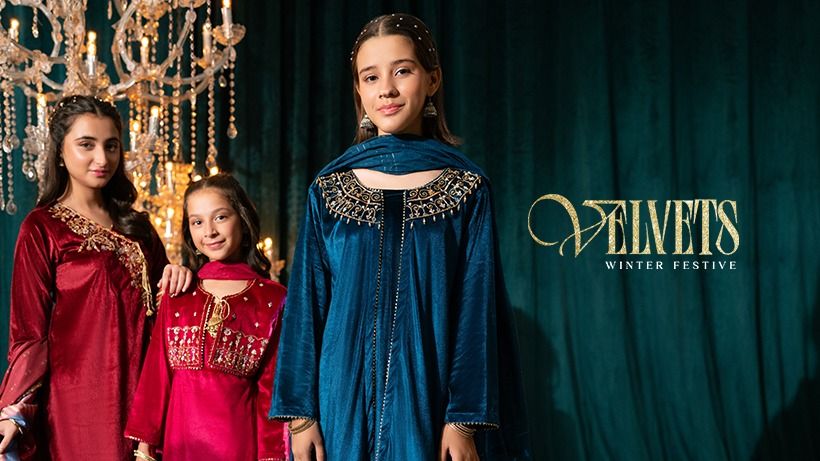
One of the most exciting aspects of Eid is dressing up. Choosing the perfect fabric plays a crucial role in achieving a stunning look. Selecting the right fabric can elevate any eid dress design, making it comfortable, stylish, and appropriate for the occasion.
In this guide, we will explore the best fabrics to consider for your Eid outfit, their unique features, styling tips, and expert advice for selecting the perfect material.
Why Fabric Selection Matters for Eid Dresses
When planning an eid dress design, fabric is not just a minor detail; it is the foundation of the outfit. The choice of fabric affects:
-
Comfort: Lightweight fabrics keep you comfortable, especially during warm weather.
-
Appearance: The texture and finish of the fabric determine the elegance of the dress.
-
Durability: Quality fabrics last longer and maintain their charm even after multiple washes.
-
Versatility: Certain fabrics can be styled in various ways, making them perfect for both traditional and modern eid dress design.
Understanding the properties of different fabrics ensures that your dress will look fabulous, feel good to wear, and stay fashionable for years.
Top Fabrics for Eid Dress Design
1. Cotton
Cotton is a natural, breathable fabric that is widely loved for its comfort and versatility. It is an excellent choice for eid dress design in hot climates or for casual Eid gatherings.
Features of Cotton:
-
Soft and comfortable against the skin
-
Highly breathable
-
Easy to wash and maintain
-
Available in various textures and prints
Styling Tips:
Cotton works beautifully for simple, embroidered designs. Pair a cotton kurta with light chiffon or georgette dupatta to add elegance. Light prints and pastel colors are perfect for a subtle, stylish look.
2. Silk
Silk has always been synonymous with luxury and elegance. It is a premium choice for eid dress design for formal celebrations and evening gatherings.
Features of Silk:
-
Smooth and shiny texture
-
Lightweight yet durable
-
Drapes beautifully
-
Gives a regal and sophisticated look
Styling Tips:
For silk dresses, opt for delicate embroidery or zari work. Pair silk with subtle accessories to avoid overpowering the natural shine of the fabric. Silk blends are also great if you want a fabric that is slightly more affordable yet luxurious.
3. Chiffon
Chiffon is lightweight, sheer, and flowy. It is ideal for creating elegant eid dress design styles that move gracefully.
Features of Chiffon:
-
Transparent and soft
-
Easy to layer
-
Creates a floaty, feminine silhouette
-
Comfortable for summer
Styling Tips:
Chiffon is perfect for overlay dresses, dupattas, or layered skirts. It pairs well with cotton or silk inner fabrics. Adding subtle sequins or lace enhances the festive charm without making it heavy.
4. Georgette
Georgette is slightly heavier than chiffon but still lightweight and drapey. It is known for its crepe-like texture and excellent flow.
Features of Georgette:
-
Soft, crepe-like texture
-
Lightweight yet slightly structured
-
Suitable for both casual and semi-formal Eid dresses
-
Holds embroidery well
Styling Tips:
Georgette works beautifully for A-line dresses, maxi gowns, and long kurtas. It supports heavy embroidery and embellishments, making it versatile for both daytime and evening events.
5. Lawn
Lawn fabric is made from fine cotton threads and is especially popular in South Asia. Its softness and breathability make it ideal for summer Eid celebrations.
Features of Lawn:
-
Extremely soft and lightweight
-
Breathable and cool for hot weather
-
Available in vibrant prints and colors
-
Easy to stitch into casual or semi-formal dresses
Styling Tips:
Lawn is excellent for casual eid dress design or daily wear during Eid. Pair printed lawn kurtas with simple trousers or palazzos. Minimal embroidery complements the light and airy nature of the fabric.
6. Velvet
Velvet is the fabric of choice for winter Eid celebrations. Its rich texture and deep colors exude opulence and warmth.
Features of Velvet:
-
Thick and plush
-
Warm and perfect for colder climates
-
Provides a luxurious appearance
-
Works well with embroidery, beads, and embellishments
Styling Tips:
Velvet is best for evening parties and formal gatherings. Opt for floor-length gowns or long tunics with gold or silver embroidery. Velvet dupattas can add richness to any outfit.
7. Organza
Organza is a sheer, crisp fabric that is ideal for layering in an eid dress design. It is lightweight but holds its shape well.
Features of Organza:
-
Transparent with a subtle sheen
-
Holds structure well
-
Ideal for overlays and flared skirts
-
Adds elegance and volume without heaviness
Styling Tips:
Use organza for overlays, puffed sleeves, or tiered skirts. Combining organza with silk or satin base fabrics creates an exquisite festive look.
8. Satin
Satin has a smooth and shiny surface that makes it perfect for luxurious Eid outfits. It drapes beautifully and is suitable for modern, formal designs.
Features of Satin:
-
Soft, smooth texture with natural sheen
-
Flows beautifully for evening wear
-
Comfortable for moderate climates
-
Works well with embroidery and lace
Styling Tips:
Satin is excellent for sheath dresses, maxi gowns, or palazzos. Soft pastel or deep jewel tones enhance the glossy finish of satin, creating a striking eid dress design.
9. Linen
Linen is a breathable, natural fabric that works well for daytime Eid celebrations. Its slightly textured surface gives it a casual yet sophisticated look.
Features of Linen:
-
Lightweight and breathable
-
Slightly textured for casual elegance
-
Natural fiber that is eco-friendly
-
Easy to style for semi-formal dresses
Styling Tips:
Linen works beautifully in straight-cut kurtas, A-line dresses, or tunics. Pair with minimal embroidery or prints for a chic and effortless style.
10. Net Fabric
Net is a sheer, transparent material often used for overlays or dupattas in eid dress design. It creates volume and adds elegance.
Features of Net:
-
Transparent and lightweight
-
Ideal for layering
-
Works beautifully with embroidery and sequins
-
Creates a sophisticated, airy look
Styling Tips:
Net fabric is excellent for lehengas, frocks, and gowns. Layered net with satin or silk underlay creates a perfect balance of elegance and comfort.
Tips for Choosing the Right Fabric for Eid Dress Design
Selecting the right fabric involves more than just choosing the softest or shiniest option. Here are some key tips to consider:
Consider the Weather
-
For hot climates, prioritize breathable fabrics like cotton, lawn, or chiffon.
-
For colder weather, velvet, silk blends, or satin are ideal choices.
Think About Comfort
-
Comfort is essential for enjoying celebrations.
-
Avoid stiff fabrics that may restrict movement.
-
Light fabrics allow you to move freely and comfortably during family gatherings.
Match the Fabric with Embroidery
-
Heavy embroidery looks best on silk, velvet, or georgette.
-
Lightweight fabrics like cotton and lawn work well with minimal embroidery or delicate prints.
Layering and Styling
-
Some fabrics, like net, organza, or chiffon, are best used as overlays rather than the main material.
-
Mixing fabrics (e.g., silk with chiffon overlay) creates dimension and enhances the overall eid dress design.
Color and Print Selection
-
Light pastel shades are perfect for daytime celebrations.
-
Jewel tones or metallic shades add glamour to evening events.
-
Printed fabrics are excellent for casual or semi-formal Eid outfits.
How to Maintain Your Eid Dress Fabric
Proper care ensures that your chosen fabric retains its elegance long after Eid. Here are some tips:
-
Cotton and Lawn: Machine washable, but avoid harsh detergents. Iron on medium heat.
-
Silk: Dry clean to preserve shine and texture.
-
Chiffon and Georgette: Hand wash or use a gentle cycle. Avoid wringing.
-
Velvet: Dry clean only. Store in a cool, dry place to prevent damage.
-
Satin: Hand wash or dry clean. Iron on low heat with a cloth to protect shine.
-
Net and Organza: Handle gently to avoid tears or snags.
Popular Eid Dress Design Styles by Fabric
-
Cotton: Casual straight-cut kurtas, A-line dresses, palazzo sets.
-
Silk: Long gowns, formal anarkalis, embroidered tunics.
-
Chiffon/Georgette: Layered frocks, flared skirts, dupattas.
-
Velvet: Floor-length dresses, winter party gowns.
-
Linen: Semi-formal tunics, light evening dresses.
-
Satin: Sheath gowns, evening palazzos.
-
Net/Organza: Overlay frocks, tiered skirts, embroidered dupattas.
Combining the right fabric with the right style ensures your eid dress design will stand out beautifully during celebrations.
Conclusion
Choosing the best fabric is a critical step in creating a perfect eid dress design. Each fabric has unique characteristics, making it suitable for different climates, styles, and occasions. Cotton and lawn offer comfort and breathability, ideal for casual celebrations. Silk, satin, and velvet bring elegance and sophistication, perfect for formal gatherings. Lightweight fabrics like chiffon, georgette, net, and organza add flow, volume, and charm, while linen ensures effortless elegance.
By understanding the properties of each fabric, considering the weather, comfort, embroidery, and layering options, you can create an Eid outfit that is not only stylish but also practical. Remember, the right fabric paired with the perfect design elevates your overall look and helps you celebrate Eid with confidence and grace.
Selecting a fabric for your eid dress design is an exciting opportunity to express your personal style while honoring tradition. Invest time in choosing wisely, and your outfit will make you feel as radiant as the festive occasion itself.