
Electrical wiring is the backbone of any home, office, or industrial setup. Proper wiring not only ensures smooth functioning of electrical devices but also safeguards people and property from accidents.
Whether you are an electrician, a homeowner, or simply someone interested in learning about electrical safety, understanding wiring protection methods is essential. Choosing the right solutions can prevent short circuits, fire hazards, and equipment damage.
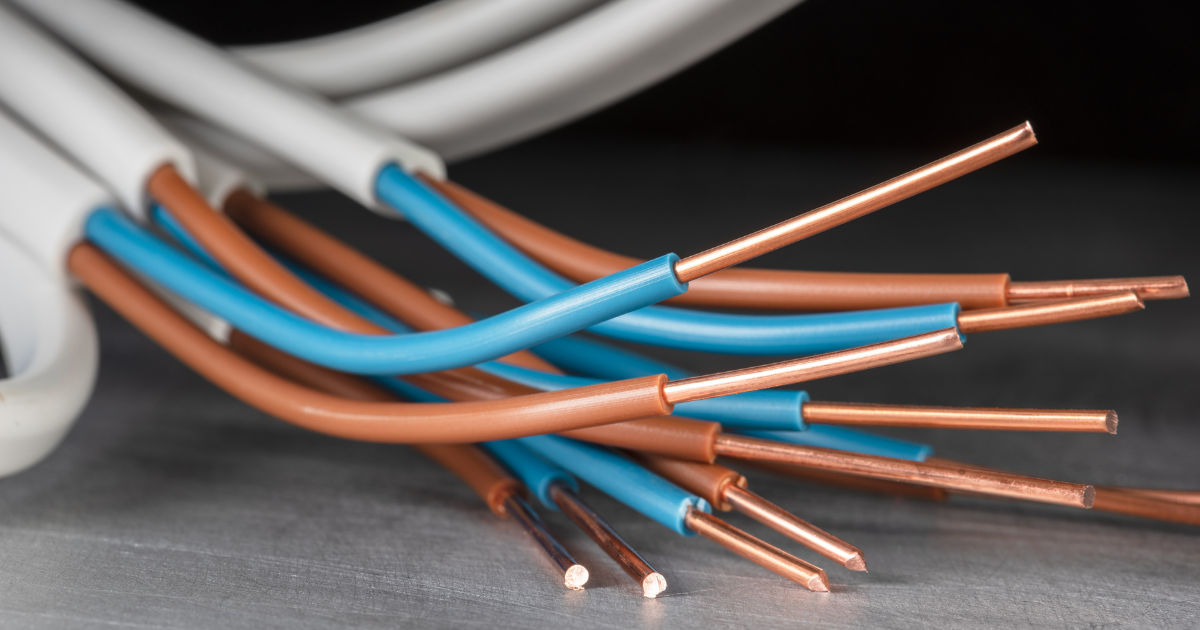 For those seeking high-quality products for electrical installations, partnering with a trusted AGE Cables Supplier is vital. AGE Cables Supplier provides durable, certified, and reliable cables suitable for various applications.
Using the right cables along with proper protection methods ensures a safe and long-lasting electrical system.
In this comprehensive guide, we will explore the top wiring protection methods, explain why they are important, and provide practical tips for implementation.
Why Wiring Protection Is Crucial
Electrical wiring, if not adequately protected, can lead to serious risks:
-
Electrical Fires: Faulty wiring or overloaded circuits can overheat, sparking fires.
-
Equipment Damage: Sensitive devices can get damaged due to voltage fluctuations or short circuits.
-
Electric Shocks: Unprotected wiring poses a risk of electrocution to users.
-
System Downtime: Frequent faults and breakdowns cause interruptions in homes or businesses.
To mitigate these risks, wiring protection is not optional—it’s a necessity. High-quality cables from an AGE Cables Supplier combined with proper protection methods are key to a safe electrical setup.
1. Fuses: Simple but Effective
Fuses are one of the oldest and most reliable wiring protection methods. A fuse is a small device that melts and breaks the circuit when the current exceeds a safe level.
How Fuses Work
-
A metal wire inside the fuse carries the current.
-
If the current exceeds the rated value, the wire melts.
-
This interrupts the electrical flow, preventing damage to appliances and wiring.
Advantages of Fuses
-
Simple and cost-effective.
-
No maintenance required.
-
Quick response to overcurrent.
Limitations
-
Single-use: Once blown, it must be replaced.
-
Cannot protect against voltage fluctuations.
Using fuses in circuits with quality cables from an AGE Cables Supplier enhances overall safety.
2. Circuit Breakers: Modern Overcurrent Protection
Circuit breakers are more advanced than fuses and are widely used in residential and commercial setups. They automatically cut off the power during overload or short circuits.
Types of Circuit Breakers
-
Miniature Circuit Breakers (MCBs): Suitable for low current circuits like home lighting.
-
Molded Case Circuit Breakers (MCCBs): Used in industrial setups with higher current ratings.
-
Earth Leakage Circuit Breakers (ELCBs): Protects against electric shocks by detecting current leakage.
Benefits
-
Can be reused after tripping.
-
Quick response to faults.
-
Provides comprehensive protection, including against overloads and short circuits.
Integrating high-quality cables from an AGE Cables Supplier with circuit breakers ensures an efficient and long-lasting electrical system.
3. Earthing: The First Line of Defense
Earthing, or grounding, is a fundamental wiring protection method that diverts excess electricity safely into the ground.
Importance of Earthing
-
Protects users from electric shocks.
-
Prevents damage to appliances during voltage spikes.
-
Reduces fire risk caused by electrical faults.
Types of Earthing
-
Plate Earthing: Metal plate buried in the ground for low-resistance grounding.
-
Rod Earthing: A metal rod driven into the soil, commonly used in residential setups.
-
Strip Earthing: Metal strips buried in the ground for industrial applications.
Correct earthing combined with reliable cables from an AGE Cables Supplier maximizes electrical safety.
4. Insulation: Protecting Against Direct Contact
Insulation is the most basic form of wiring protection. It prevents direct contact with live wires, reducing the risk of shocks and short circuits.
Common Insulation Materials
-
PVC (Polyvinyl Chloride): Flexible and cost-effective.
-
XLPE (Cross-Linked Polyethylene): High thermal resistance, ideal for industrial setups.
-
Rubber: Provides excellent flexibility and insulation but is costlier.
High-quality insulated cables from an AGE Cables Supplier ensure long-term reliability and safety.
5. Conduits: Physical Protection of Wires
Conduits are protective tubes through which wires pass. They protect wiring from mechanical damage, moisture, and rodents.
Types of Conduits
-
PVC Conduits: Lightweight, non-corrosive, suitable for residential use.
-
Metallic Conduits: Stronger, ideal for industrial setups.
-
Flexible Conduits: Used for irregular or moving installations.
Using conduits along with premium cables from an AGE Cables Supplier provides comprehensive protection against physical and environmental damage.
6. Surge Protection Devices (SPDs)
Sudden voltage surges caused by lightning strikes or grid fluctuations can damage appliances and wiring. Surge protection devices are designed to prevent this.
How SPDs Work
-
Diverts excess voltage to the ground.
-
Activates instantly during voltage spikes.
-
Prevents damage to sensitive electronic devices.
Installing SPDs in circuits with high-quality cables from an AGE Cables Supplier protects both wiring and connected equipment.
7. Overload Relays: Preventing Motor Damage
For industrial setups, overload relays are essential. They protect motors and other heavy equipment from overheating due to overcurrent.
Features
-
Monitors current continuously.
-
Trips the circuit if the current exceeds safe levels.
-
Adjustable settings for different equipment requirements.
Using reliable cables from an AGE Cables Supplier along with overload relays ensures machinery longevity and workplace safety.
8. Cable Trays and Ladder Systems
In large setups like factories or commercial buildings, organizing wiring is crucial. Cable trays and ladders help in neat routing and protect wires from damage.
Benefits
-
Keeps cables organized and easy to maintain.
-
Reduces risk of accidental cuts or mechanical damage.
-
Supports heavy-duty cables, ensuring long-term safety.
High-quality cables from an AGE Cables Supplier installed on cable trays or ladders offer an effective and safe wiring system.
9. Fire-Resistant Cables
Fire-resistant or flame-retardant cables prevent fire propagation in case of electrical faults. These cables maintain circuit integrity even during fire conditions.
Advantages
-
Reduces fire hazards in buildings.
-
Ensures critical systems remain operational during emergencies.
-
Complies with safety regulations and codes.
Choosing fire-resistant cables from a trusted AGE Cables Supplier enhances safety in high-risk areas.
10. Regular Maintenance and Inspection
Even with the best protection methods, regular maintenance is vital. Scheduled inspections help identify potential issues like wear and tear, loose connections, or insulation damage.
Maintenance Tips
-
Check for overheating or discoloration of wires.
-
Inspect circuit breakers and fuses regularly.
-
Ensure earthing systems are intact and corrosion-free.
-
Replace old or damaged cables with certified products from an AGE Cables Supplier.
Routine maintenance ensures long-lasting protection and prevents unexpected failures.
11. Labeling and Documentation
Proper labeling and documentation are simple but effective wiring protection measures. They help in quick identification during faults and maintenance.
Recommendations
-
Label all circuits and breakers clearly.
-
Maintain a wiring diagram of the building or setup.
-
Update records whenever modifications are made.
Using high-quality cables from an AGE Cables Supplier along with accurate labeling prevents confusion and reduces downtime.
12. Smart Wiring Systems
With technological advancements, smart wiring systems provide automated monitoring and protection.
Features
-
Real-time monitoring of current and voltage.
-
Automatic shutdown during faults.
-
Integration with home automation for alerts and control.
Combining smart systems with robust cables from an AGE Cables Supplier ensures modern, efficient, and safe electrical installations.
Conclusion
Electrical wiring is the lifeline of any modern building, and protecting it is not optional—it is critical. From basic methods like fuses and insulation to advanced solutions like surge protection devices and smart wiring, each method has a unique role in safeguarding people and property.
Choosing high-quality, certified cables from a trusted AGE Cables Supplier forms the foundation of an effective protection system. Proper installation, regular maintenance, and the use of advanced protection devices collectively ensure safety, reduce downtime, and increase the lifespan of electrical systems.
Whether you are setting up a home, an office, or an industrial facility, implementing these top wiring protection methods is essential. Not only do they prevent electrical hazards, but they also ensure reliability and efficiency in your electrical system.
Investing in both quality cables and comprehensive protection methods is a small price to pay for peace of mind, safety, and long-term savings. Remember, electrical safety is not just about preventing accidents; it’s about building a secure and efficient infrastructure that supports modern life.