
Choosing the right sleeve length can make a major difference in how a leather coat looks, feels, and performs. Whether you are shopping for a fitted leather jacket, a long winter coat, or a classic biker-inspired style, sleeve placement should match your body proportions and the purpose of the coat. A well-fitted sleeve should look intentional without restricting movement or leaving too much fabric around the wrists. When exploring different styles, a Pelle Pelle Store can also be a useful source of inspiration for understanding how leather outerwear is designed and proportioned.
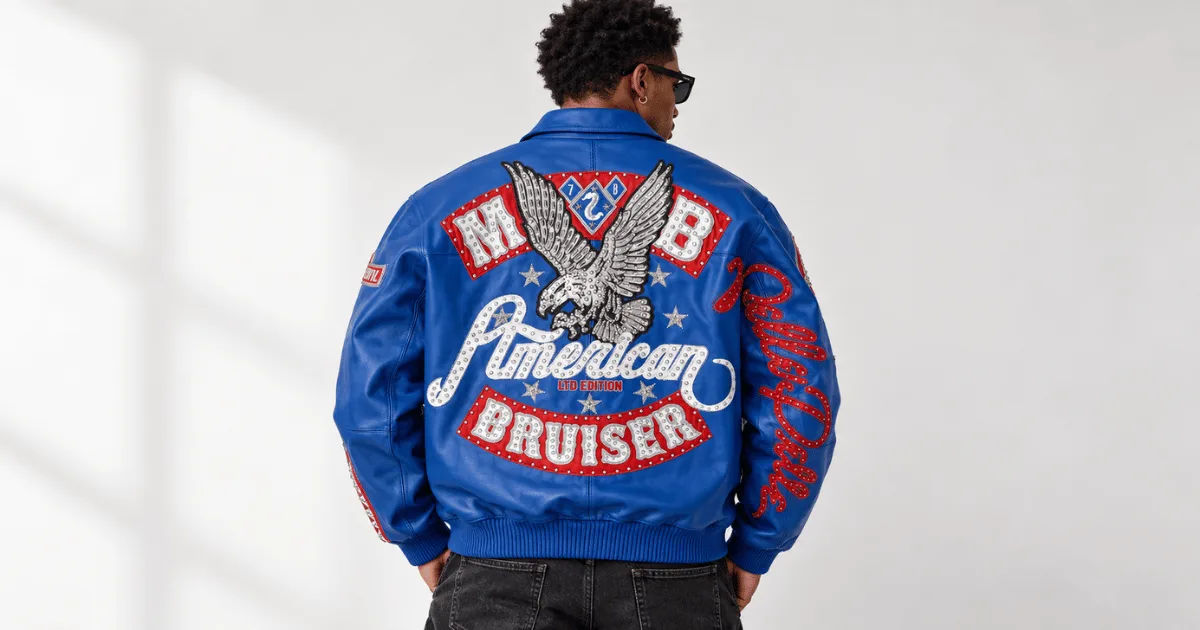
The ideal sleeve length is not exactly the same for every woman. It depends on the coat's design, the type of clothing worn underneath, personal preference, and the level of warmth required. Some styles are deliberately cropped, while others are designed to provide additional coverage during cold weather.
This comprehensive guide explains where sleeves on women's leather coats should end, how to measure the correct length, and how different coat styles affect sleeve placement.
The Ideal Sleeve Length
For most traditional women's leather coats, the sleeve should generally end around the wrist bone or slightly below it when the arms are relaxed. This provides a balanced appearance while offering enough coverage to protect the wrists from cold air.
A sleeve that stops significantly above the wrist can make a coat appear too small. On the other hand, sleeves extending far over the hands can make the garment look oversized unless that is part of the intended design.
The Pelle Pelle Store approach to leather outerwear can demonstrate how sleeve proportions contribute to an overall silhouette. The goal is not simply to make the sleeves reach a particular point. The sleeve should work together with the shoulders, torso, cuffs, and overall coat length.
The Wrist Bone Is a Useful Reference Point
Stand naturally with your arms hanging at your sides. The bottom of the sleeve should usually reach the area around your wrist bone.
This position allows the sleeve to cover most of the arm without unnecessarily covering the hand. It also creates a clean transition between the leather coat and gloves or other accessories.
When you bend your arms, the sleeve will naturally move upward slightly. That is normal. A properly fitted sleeve should still provide reasonable coverage when you are driving, walking, or reaching forward.
Consider the Coat's Purpose
A fashion-focused leather coat may have shorter sleeves because its purpose is primarily aesthetic. A winter leather coat, however, may have longer sleeves to provide additional protection.
Think about when and where you will wear the coat. If it is intended for mild weather, wrist-length sleeves may be perfectly suitable. If it is intended for freezing temperatures, slightly longer sleeves may be more practical.
The Pelle Pelle Store range of leather-inspired styling can help illustrate how different designs use sleeve length to create different looks.
Sleeve Length for Different Leather Coat Styles
Not every leather coat follows the same sleeve-length rule. Different silhouettes require different proportions.
Understanding the style of your coat is therefore essential before deciding whether the sleeves are too long or too short.
Classic Leather Jackets
Classic leather jackets usually look best when the sleeves finish directly around the wrist. This creates a sharp and structured appearance.
A traditional jacket should not have excessive fabric hanging over the hands. At the same time, the sleeves should not expose a large section of the wrist when the arms are relaxed.
The Pelle Pelle Store aesthetic often emphasizes strong leather silhouettes, making proportion particularly important when choosing sleeve length.
Biker Leather Jackets
Biker jackets may have slightly longer sleeves than ordinary fashion jackets. This is partly because the sleeves need to remain comfortable when the arms are bent forward.
When riding a motorcycle, your elbows naturally bend and your hands move forward. Sleeves that are exactly wrist length while standing may become too short in this position.
For this reason, a biker-style leather jacket can have sleeves extending slightly beyond the wrist when the wearer is standing normally.
Long Leather Coats
Long leather coats designed for colder weather often provide more coverage. Their sleeves may reach the wrist and extend slightly beyond it.
The important factor is balance. If the coat reaches the knees or below, very short sleeves can make the overall design look disproportionate.
Longer coats generally benefit from sleeves that provide enough coverage to create a continuous, polished silhouette.
Cropped Leather Jackets
Cropped leather jackets frequently have more fashion-oriented proportions. Some designs intentionally feature sleeves that finish at the wrist or slightly above it.
If the jacket has a cropped body and fitted sleeves, a slightly shorter sleeve can emphasize the modern shape.
The Pelle Pelle Store style can be particularly useful for inspiration when comparing structured leather jackets with more relaxed silhouettes.
How to Measure Sleeve Length Correctly
Knowing how to measure your arm can help you avoid purchasing a leather coat with sleeves that are too short or too long.
You do not need complicated equipment. A flexible measuring tape is usually enough.
Start at the Shoulder
Place one end of the measuring tape at the shoulder seam. This is where the sleeve joins the main body of the coat.
From there, measure down along the outside of the arm.
Keep your arm naturally relaxed while taking the measurement. Do not stretch your arm or deliberately bend your elbow.
Measure to the Wrist
Continue measuring until you reach the wrist bone. Record the measurement.
For coats intended for activities where your arms remain bent, you may want to allow a little additional length.
It is also helpful to compare this measurement with the manufacturer's sizing chart rather than relying only on your usual clothing size.
The Pelle Pelle Store can serve as a style reference, but measurements remain more reliable than assuming that every medium, large, or extra-large garment has identical sleeve dimensions.
Why Leather Sleeve Fit Matters
Leather behaves differently from many lightweight fabrics. It has structure, and depending on its thickness and construction, it may not stretch as freely.
This makes sleeve fit especially important.
A sleeve that is too short can become uncomfortable when you move your arms. A sleeve that is too long can create excess material around the wrists and hands.
Movement Should Feel Natural
Try moving your arms forward, upward, and across your body when testing a leather coat.
The sleeve should move with you without pulling heavily at the shoulder.
If the cuff rises several inches above the wrist whenever you reach forward, the sleeves may be too short.
A good leather coat should provide enough room for natural movement while retaining its intended shape.
Avoid Excessive Material
Long sleeves can be comfortable in cold weather, but excessive length can interfere with daily activities.
If the cuffs cover most of your hands while your arms are relaxed, the sleeves may be longer than necessary.
The Pelle Pelle Store concept of structured leather fashion highlights why controlled proportions matter. Even a beautifully made leather coat can look awkward if its sleeves are significantly longer than the rest of the garment's proportions suggest.
Should Leather Coat Sleeves Cover the Hands?
Usually, no.
For most women's leather coats, the sleeves should not completely cover the hands. The cuffs may touch the base of the hands, especially on winter styles, but the fingers should generally remain uncovered.
There are exceptions.
Oversized fashion coats may intentionally have longer sleeves. Some contemporary designs also use extended cuffs as a visual feature.
However, if you are purchasing a classic leather coat for everyday wear, wrist-level sleeves are generally the safest choice.
Sleeve Length and Layering
The clothes you wear underneath your leather coat can influence the ideal sleeve length.
If you frequently wear sweaters or thick long-sleeved tops, you may want a coat with enough sleeve length to accommodate those layers.
A sleeve that fits perfectly over a thin shirt might feel short over a bulky sweater.
Wearing Sweaters Under Leather Coats
Winter leather coats should provide enough room for a sweater without creating uncomfortable pressure around the arms.
If the coat sleeve is already short, adding a sweater underneath can make the problem more noticeable.
When trying on a coat, wear the type of clothing you expect to use with it. This gives you a much more realistic idea of the fit.
Cuffs and Wrist Coverage
Some leather coats include zippered cuffs, snap closures, elastic inserts, or decorative straps.
These features can change how the sleeve sits around the wrist.
A zippered cuff, for example, may create a closer fit that prevents cold air from entering. A wide cuff may provide a more relaxed appearance.
The Pelle Pelle Store style direction demonstrates how cuffs can be both functional and decorative, particularly in statement leather outerwear.
How Sleeve Length Affects Appearance
Sleeve length has a strong influence on the visual proportions of a leather coat.
Sleeves that are too short can make the coat appear undersized. They may also draw attention to the wrists and make the arms look visually longer.
Sleeves that are too long can have the opposite effect. They can make the coat appear oversized or poorly fitted.
Creating Balanced Proportions
Ideally, the sleeve should complement the shoulder width and body length of the coat.
A fitted coat generally works best with sleeves that follow the arm closely without being restrictive.
A relaxed coat can accommodate more sleeve volume and length.
The Pelle Pelle Store aesthetic offers useful inspiration because leather outerwear often relies on carefully balanced proportions to create a strong visual identity.
What to Do If Leather Coat Sleeves Are Too Long
If you love a leather coat but the sleeves are slightly too long, alteration may be possible.
However, leather is more complicated to alter than ordinary fabric.
A professional tailor or leather specialist should handle significant sleeve adjustments. Leather can show needle holes, and changing cuffs or zippers requires specialized skills.
Do not assume that every tailor can safely shorten leather sleeves.
If the coat has decorative cuffs, zippers, snaps, or other details, alteration can become more complicated.
What to Do If Sleeves Are Too Short
Short sleeves are often more difficult to correct.
A tailor may sometimes be able to release additional material from a hem or modify the cuff, but this depends entirely on how the coat was constructed.
If the sleeves are significantly too short, exchanging the coat for a larger or better-fitting size may be the more practical solution.
However, increasing the size can create problems elsewhere, including overly large shoulders or a loose torso.
This is why checking sleeve measurements before buying is so important.
Common Sleeve-Length Mistakes
Several common mistakes can make a leather coat look less polished.
Choosing Based Only on Coat Size
A medium-sized coat does not necessarily have the perfect sleeve length for every person who wears medium sizes.
Body proportions vary considerably.
Always check the garment's actual measurements whenever possible.
Ignoring Arm Position
A coat may look perfect while your arms are hanging down but become uncomfortable when you reach forward.
Test the sleeves in several positions before deciding whether the fit is right.
Prioritizing Fashion Over Comfort
A dramatic oversized sleeve may look attractive in photographs but may not be practical for everyday activities.
Consider how you will actually use the coat.
The Pelle Pelle Store can provide style inspiration, but your lifestyle should ultimately determine the most practical sleeve length.
Seasonal Considerations
Sleeve length can also depend on the season.
For spring and fall, a wrist-length sleeve usually offers an excellent balance between comfort and style.
For winter, slightly longer sleeves can provide additional protection, particularly when combined with gloves.
For fashion-focused pieces worn indoors or during mild weather, shorter sleeves may be intentional.
The key is understanding why the sleeve has a particular length rather than assuming there is one universal measurement.
How a Properly Fitted Sleeve Should Feel
A properly fitted sleeve should feel comfortable without appearing loose or restrictive.
You should be able to move your arms freely.
The shoulder seam should sit close to your natural shoulder unless the coat has an intentionally dropped-shoulder design.
The cuff should rest around the wrist area without constantly sliding toward the hand.
You should also be able to wear a suitable layer underneath without feeling excessive pressure.
When these elements work together, the sleeve length will look natural rather than forced.
Choosing the Right Sleeve Length When Shopping Online
Online shopping makes sleeve selection slightly more challenging because you cannot try the coat on immediately.
Start by measuring a coat you already own that fits you well.
Measure its sleeve from the shoulder seam to the cuff. Then compare that measurement with the product information provided by the seller.
Pay attention to customer reviews as well. Reviews may mention whether the sleeves run long or short.
The Pelle Pelle Store and other leather retailers may offer different cuts, so comparing measurements rather than relying solely on labels can make online shopping easier.
Frequently Asked Questions
Where should women's leather coat sleeves normally end?
For most women's leather coats, sleeves should end around the wrist bone or slightly below it when the arms are relaxed. This provides a balanced appearance and sufficient coverage without unnecessarily covering the hands.
Should leather coat sleeves be longer for winter?
They can be slightly longer for winter because additional wrist coverage helps reduce exposure to cold air. However, the sleeves should not normally extend far over the hands unless the coat is deliberately designed with an oversized silhouette.
Can leather coat sleeves be shortened?
Yes, some leather sleeves can be shortened by a professional leather tailor. The difficulty depends on the construction, cuff design, zippers, stitching, and decorative details. Leather alterations should generally be handled by someone experienced with leather garments.
Are biker jacket sleeves supposed to be longer?
Biker jackets can have slightly longer sleeves because riders typically keep their arms bent and extended forward. A sleeve that reaches the wrist while standing may move above the wrist when riding, so additional length can improve comfort.
How can I tell if my leather coat sleeves are too short?
If the sleeves expose a significant portion of your wrist when your arms are relaxed or rise substantially above the wrist when you bend your arms, they may be too short. Restricted arm movement can also indicate inadequate sleeve length.
Conclusion
So, where should sleeves on leather coats for women end? In most cases, the best starting point is the wrist bone or slightly below it. This length provides a clean appearance, practical coverage, and enough flexibility for everyday movement.
However, the perfect sleeve length depends on the specific coat. A classic leather jacket may work best at the wrist, while a biker jacket may benefit from slightly longer sleeves. A winter leather coat can also provide extra wrist coverage, whereas a cropped fashion jacket may intentionally use shorter proportions.
Your body proportions, layering habits, climate, and intended use should all influence the final decision. Measuring your arm and comparing it with the garment's measurements is usually more reliable than choosing based solely on standard clothing sizes.
A well-designed leather coat should feel comfortable when you move and look balanced when you stand naturally. The Pelle Pelle Store style approach demonstrates how carefully considered proportions can make leather outerwear look distinctive while remaining wearable.
Ultimately, sleeve length should support both function and personal style. If the cuff sits naturally around your wrist, allows comfortable movement, works with your usual layers, and complements the coat's overall silhouette, you have likely found the right fit. Whether you prefer a classic, biker, oversized, cropped, or long leather coat, paying attention to sleeve placement can significantly improve both comfort and appearance.